
 Posted by
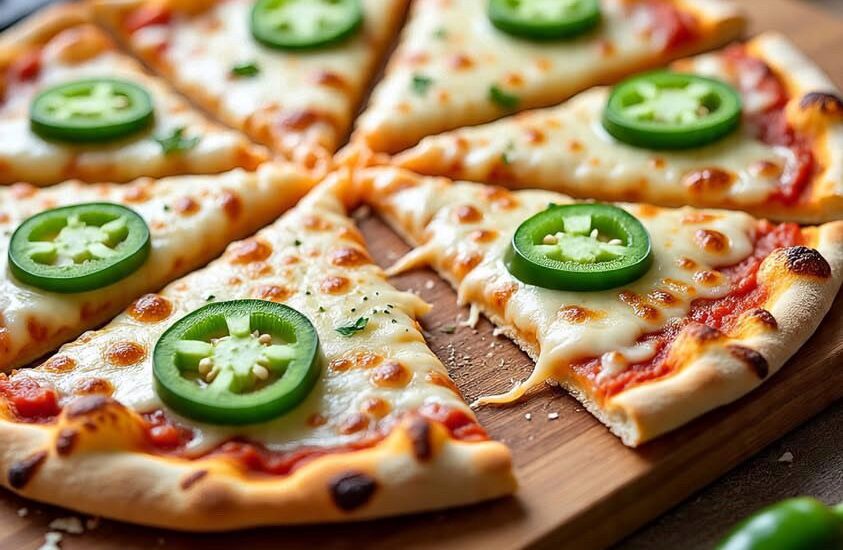
 From heat levels to flavor pairings, explore how these peppers transform your slice.When I think about the perfect slice of pizza, my mind does not immediately jump to jalapeños. For years, I was firmly in the pepperoni camp, maybe throwing on some mushrooms if I felt adventurous. But somewhere along the way, these bright green peppers worked their way into my regular rotation, and now I cannot imagine going back. The thing about jalapeños on pizza is that they bring something most other toppings simply cannot match: a balance of heat, flavor, and texture that transforms an ordinary pie into something worth talking about.
Most people probably first encountered jalapeños on nachos or in salsa. I know I did. They were always that ingredient you either loved or avoided entirely, with seemingly no middle ground. But pizza changed everything for me. The first time I tried jalapeños on a pizza was almost by accident. A friend ordered a large pie with jalapeños and pineapple, which sounds absolutely chaotic when you say it out loud, and honestly, I was skeptical. Yet that first bite made me reconsider everything I thought I knew about pizza toppings. The heat from the jalapeños cut through the richness of the cheese in a way that felt almost revelatory.
What makes jalapeños particularly interesting on pizza is how they behave under high heat. Fresh jalapeños have a crisp, vegetal quality that softens in the oven but never completely disappears. They release some of their oils into the cheese and sauce, spreading their flavor across the entire slice rather than concentrating it in one spot. Pickled jalapeños, on the other hand, bring acidity along with the heat. That tangy punch works wonders against fatty meats like pepperoni or sausage, creating a back-and-forth between rich and bright that keeps your palate engaged bite after bite.
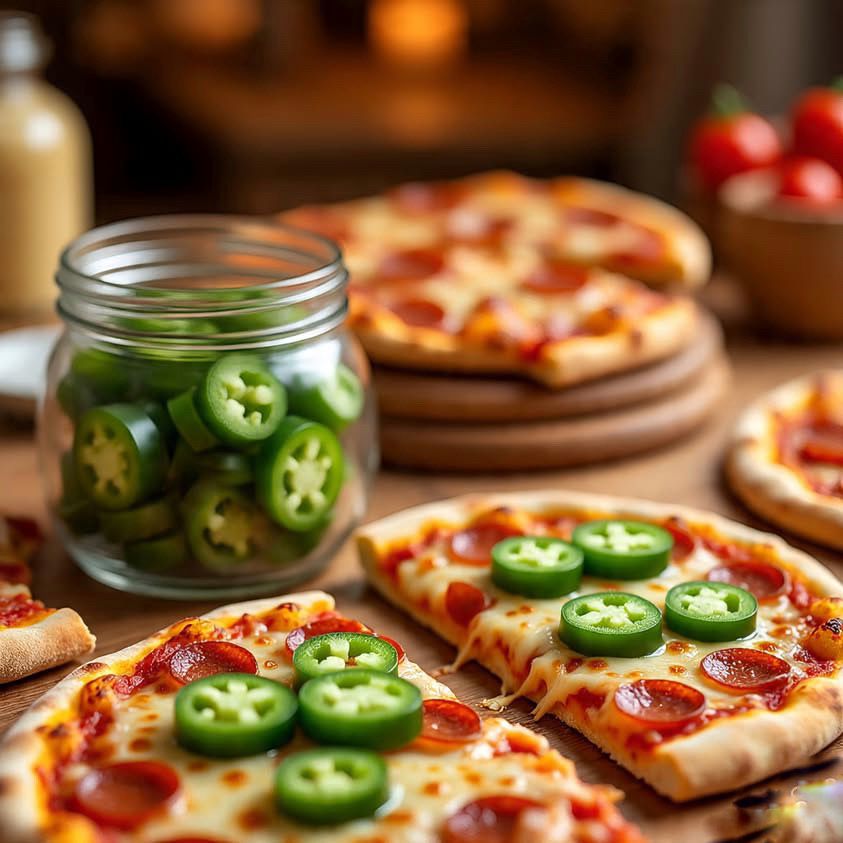
I have also noticed that jalapeños have a way of making people pay attention to their pizza. When you order a plain cheese pizza, it disappears quietly. Everyone eats it without much commentary. But add jalapeños and suddenly people have opinions. Some will pick them off carefully, examining each slice like they are defusing a bomb. Others will request extra, competitive about their heat tolerance in a way that is both amusing and slightly concerning. This pepper has personality, and it demands that you acknowledge it.
The Scoville scale places jalapeños somewhere between 2,500 and 8,000 units, which means they offer heat without punishment. Compared to habaneros or ghost peppers, jalapeños are approachable. They give you that tingle and warmth without making you reach for a gallon of milk. This makes them ideal for pizza because you can actually taste the other ingredients. The cheese still matters. The sauce still comes through. The crust still plays its essential role. Jalapeños enhance rather than dominate, which is exactly what a good topping should do.
Over time, I have developed some preferences about how jalapeños should appear on pizza. I prefer them sliced into thin rings rather than chopped, because the distribution feels more even. I also think they pair exceptionally well with certain combinations. Jalapeños with pepperoni and red onion creates this sweet, spicy, savory trinity that rarely disappoints. Jalapeños with chicken and ranch dressing offers a different kind of satisfaction, where the cooling effect of the ranch plays against the pepper’s heat. And for those brave enough to try it, jalapeños with anchovies brings together two polarizing ingredients into something surprisingly harmonious.
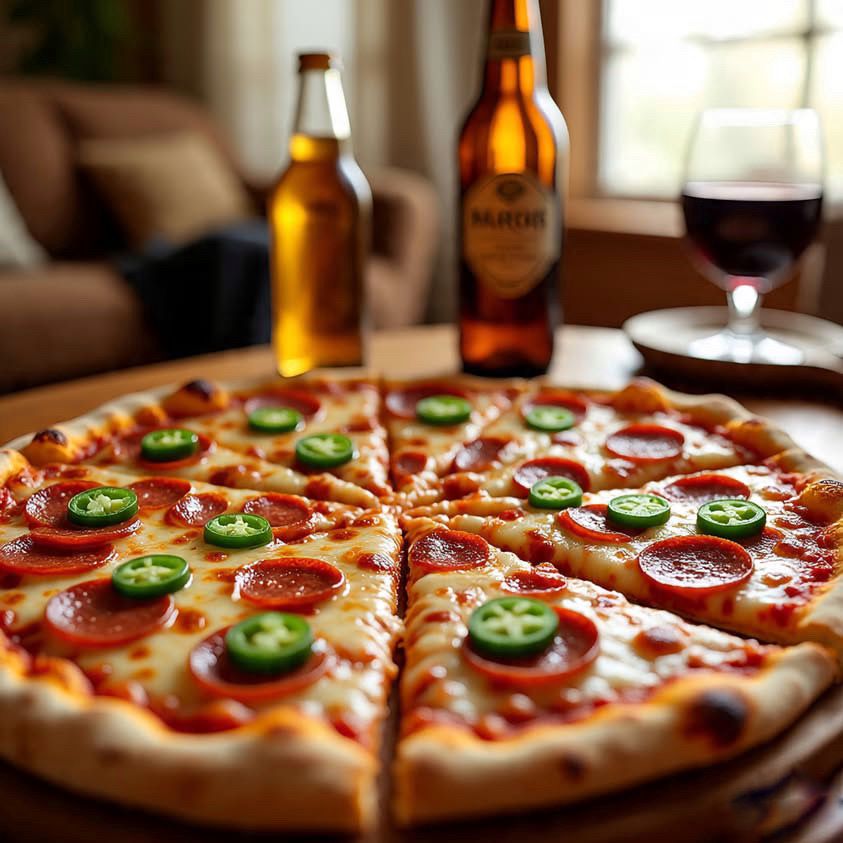
There is also something to be said about the visual appeal. A pizza covered in jalapeño rings looks vibrant and alive. Those bright green circles against the red sauce and golden cheese create contrast that makes the whole pie more appetizing. We eat with our eyes first, and jalapeños deliver on that front before you even taste them.
Not everyone will love jalapeños on pizza, and that is perfectly fine. Some people genuinely cannot handle spicy food, whether due to preference or physical sensitivity. Others might have tried them once and decided they were not worth a second chance. But for those willing to give these peppers a fair shot, they offer rewards that go beyond simple heat. They wake up your taste buds. They make familiar flavors feel new again. They turn pizza night into something just a little bit more interesting.
I have come to believe that jalapeños deserve more recognition in the pizza topping conversation. They may never achieve the universal appeal of pepperoni or the classic status of mushrooms, but they have carved out their own important niche. They represent a willingness to take risks with your dinner, to embrace a little heat and see where it takes you. And in a world where pizza can sometimes feel too predictable, too safe, jalapeños remind us that sometimes the best experiences come from trying something that makes you just slightly uncomfortable. That first bite might make you pause, but the second one will make you smile.
Reference
U.S. Department of Agriculture, FoodData Central. (2024). Peppers, jalapeño, raw (FoodData Central ID 168576). https://fdc.nal.usda.gov/food-details/168576/nutrients
Barbero, G. F., Ligerot, A. I., Martos, N. R., Gálvez, J. F., & Palma, M. (2015). Capsaicinoid contents in Capsicum species: Analysis methods and genetic determinants. Journal of Food Composition and Analysis, 40, 62-71. https://doi.org/10.1016/j.jfca.2014.12.013
Reyes-Escogido, M. de L., Garcia-Hernández, E., & Wacher, L. (2011). Chemical and pharmacological aspects of capsaicin. Molecules, 16(2), 1253–1277. https://doi.org/10.3390/molecules16021253