
 Posted by
 I realized that a few pizza topping debates get as quietly heated as the bell pepper divide. I have seen it happen. A group order is placed, and someone, always someone, insists on green peppers. I have to bite my tongue. Because after years of pizza obsession both eating and making I have landed on a truth I hold to be self-evident: red bell peppers are the undisputed champion. And look, this is not just some snobby foodie hill I am choosing to die on.
The reasons are deliciously rooted in science, flavor, and a little bit of kitchen poetry. You see, that standard green pepper on your takeout pizza? It is basically a teenager. It was picked early, before it had a chance to grow up and develop its full personality. I learned this the hard way years ago when I tried growing my own. Impatient, I picked one while it was still green. It was fine. Crunchy, sure, but with a sharp, almost grassy bite that did not play well with others.
When I let the others ripen fully to a glorious red, the difference was not subtle. It was a revelation. This is why the quest for the perfect pizza slice often leads to a simple swap: choosing ripe, sweet red bell peppers over their bitter green counterparts, a move that transforms the entire pie. That bitterness in green peppers is not complexity; it is incompleteness.
On a pizza, which is this beautiful balance of savory cheese, tangy sauce, and rich crust, why would we want an element that fights all that harmony? Red bell peppers, however, are the full, glorious finale. Allowed to ripen on the vine, they develop an incredible sweetness as their sugars multiply. When you slide a pizza into a searing hot oven, something magical happens to those thin slices of red pepper.
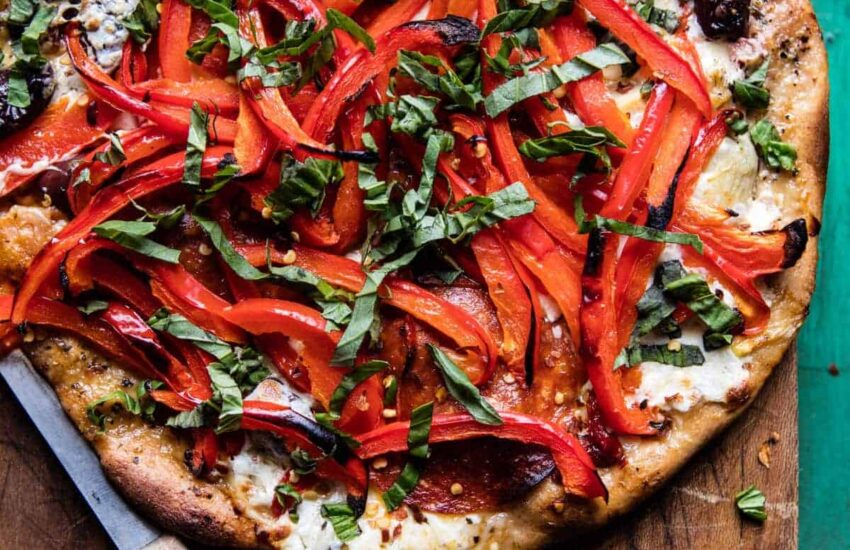
The sugars caramelize at the edges, creating tiny pockets of concentrated, smoky sweetness that melt into the cheese and play off the salty meats or other veggies. The flavor is deeper, fruitier, and just friendlier. It belongs. Then there is the texture. Have you ever noticed how green peppers can stay weirdly crunchy? Even after a 500-degree bake, they can have this assertive, watery snap that feels separate from every other component. To me, it is jarring. Red peppers, with their more mature cell structure, soften beautifully. They become pliable and integrated, part of the cohesive, gooey masterpiece rather than a distracting crunch in every bite.
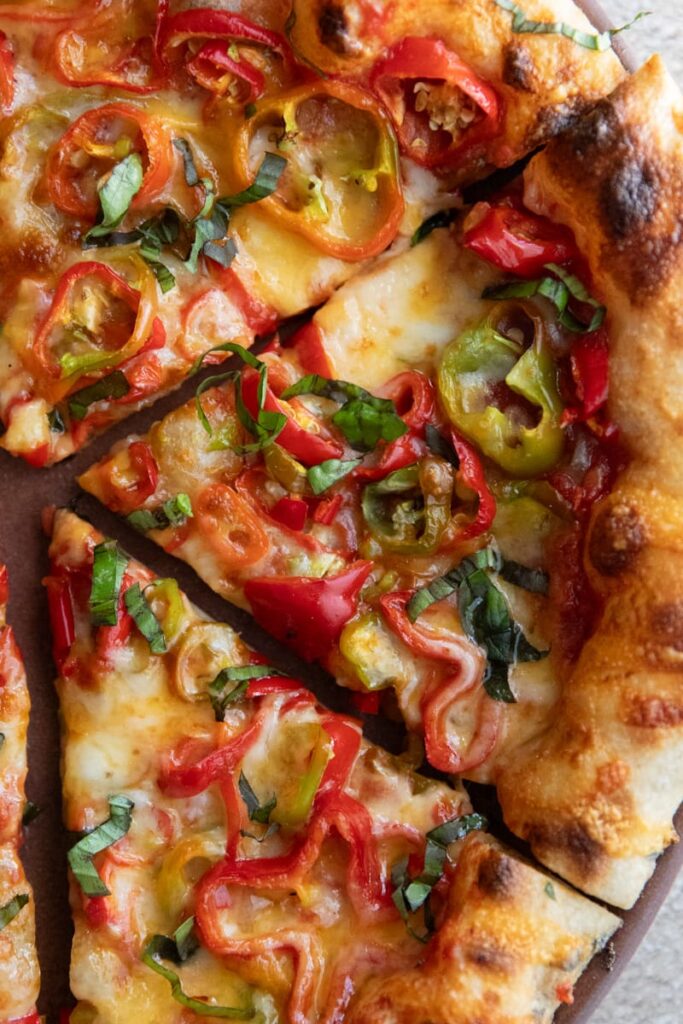
You know, I think part of my allegiance to red peppers is tied to a memory. I remember one rainy evening, making pizza with a friend who swore by green peppers. We made two identical pies, side-by-side, only swapping the peppers. The one with red peppers vanished first, with everyone quietly reaching for just one more slice.
The green pepper pie was finished, of course it was still pizza but it felt like we were eating out of obligation, not desire. That experiment, for me, sealed the deal. It was not about winning an argument, but about witnessing how a single, simple swap could turn a good meal into a moment where everyone just kind of goes quiet, savoring that perfect balance. Is not that what we are really after? They do their job without needing the spotlight.
Now, I am not here to tell you pizza is a healthy food. But is it not a wonderful bonus when the tastier option is also the better-for-you one? It turns out that extra time on the vine does more than just build flavor. Red bell peppers pack nearly double the vitamin C and over ten times the vitamin A compared to green ones. So if you are adding vegetables to your pizza anyway and you should, for color and life why not pick the nutritional powerhouse? It feels like a tiny victory.
I know why most pizzerias default to green. They are cheaper and hardier. From a business standpoint, it makes perfect sense. But as a home cook, I am not bound by those spreadsheets. When I make pizza on a Friday night, I always, always reach for the red. Sometimes I will roast them first until they are silky and charred, smooshing them into the sauce for a sweet backbone. Other times, I slice them thin and let them blister right on the pie. They never disappoint.
Some argue that green peppers provide a necessary bitter counterpoint to cut through fat. I call foul. If you want brightness or acidity, there are so many better tools! A handful of fresh basil after baking, a drizzle of chili oil, or even some pickled onions can add that contrast without the aggressive, dominating note a green pepper brings. It is about complementing, not competing. In the end, our food choices are rarely just about flavor.
They are about habit, about what we have always known. Maybe you grew up with green peppers on pizza, and that taste is nostalgia itself. I get that. But I would urge you to try a swap, just once. Go for the red. Let that deeper, sweeter, kinder flavor weave itself into your next pizza experience. I have a feeling you might not go back. After all, why settle for the understudy when you can have the star of the show?
References
Howard, L. R., Talcott, S. T., Brenes, C. H., & Villalon, B. (2000). Changes in phytochemical and antioxidant activity of selected pepper cultivars (Capsicum species) as influenced by maturity. Journal of Agricultural and Food Chemistry, 48(5), 1713-1720.
Marín, A., Ferreres, F., Tomás-Barberán, F. A., & Gil, M. I. (2004). Characterization and quantitation of antioxidant constituents of sweet pepper (Capsicum annuum L.). Journal of Agricultural and Food Chemistry, 52(12), 3861-3869. https://doi.org/10.1021/jf0497915
U.S. Department of Agriculture. (2023). FoodData Central: Bell peppers, raw. Agricultural Research Service.