

 Posted by
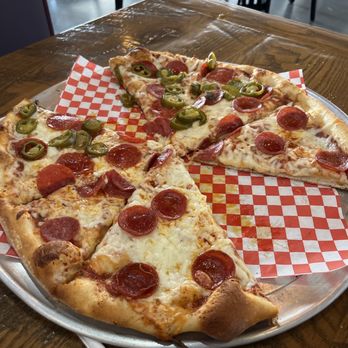
 I used to have a personal relationship with my pizza delivery guy. Twice a week, minimum. His name was Dave, and I knew the specific rumble of his car pulling up. I’d order the same large pepperoni every single time. It was comfort, it was convenient, and I held this unshakable belief that my own kitchen could never, ever produce something that good. Why even try? Then, one bleak Sunday, a combination of a snowstorm and an empty wallet forced my hand.
I decided to attempt a simple homemade pizza recipe I’d bookmarked years before. The result was humbling. A sad, soggy disc with a crust like cardboard and a center that wept oil. But beneath the failure, I tasted something: a glimpse of real tomato, of fresh basil, of potential. That disastrous pie was the beginning of the end for my takeout habit, and the start of a beautiful, flour-dusted obsession.
The whole homemade vs takeout pizza debate feels almost tribal, does not it? But it is not just about food. It is a quiet referendum on our time, our health, and what we find satisfying. Is a meal just fuel, or is it an experience? After years firmly in the delivery camp, I have crossed the divide. And let me tell you, the view and the taste from over here is incredible.
Look, I will not sit here and bash the convenience of takeout pizza. Some nights, it is the hero we need. You are drained, the kids are hangry, and the thought of measuring flour feels like a Herculean task. That app on your phone is a modern miracle. Click, pay, and salvation arrives in a warm, cardboard box. No dishes, no planning.
For those moments, it is worth every penny. But here is what I slowly realized: that convenience is a loan, and the interest is high. And I am not just talking about the cost of takeout pizza, though watching those $25 charges add up on my statement was a wake-up call. The real shift happened when I started to see my weekly pizza not just as a meal, but as a choice between a fleeting convenience and a deeply rewarding ritual that nourished more than just my stomach.
Most delivery pizza, even from decent spots, is built for stability and profit, not peak flavor. The cheese is often a low-moisture, engineered blend designed for perfect melting (and extended shelf life). The sauce can be sugary. The dough? Who knows when it was made? When you commit to pizza dough from scratch, you seize control. You choose the organic flour, the real mozzarella you tear with your hands, and the San Marzano tomatoes you crush into sauce.
The financial math, once I finally did it, was staggering. A single gourmet delivery pizza can easily cost $30, including fees and a tip. For that, I can buy a five-pound bag of high-quality bread flour, a block of fresh mozzarella, pepperoni, mushrooms, and still have cash left for a nice bottle of wine to drink while I cook. My pizza stone felt like an investment, but it paid for itself in a handful of pizza nights I did not order out. You start to see it as building a pantry, not just buying a dinner.
But honestly? The money and health perks, while massive, became side benefits. The real magic was in the process itself. I found a weird, profound satisfaction in the messy, physical act of creation. There’s a rhythm to it: the gentle bloom of the yeast, the sturdy push-and-fold of kneading pizza dough, the patient waiting for the rise.
My kitchen becomes this warm, fragrant hub. The smell of garlic simmering in olive oil, of basil freshly torn, of dough hitting a hot stone is an aroma therapy session no delivery bag can ever provide. Now, let’s be authentic: the road to easy homemade pizza is paved with culinary casualties. I have created “pizza soup” on a crust that could not support its dreams.
I have set off smoke alarms with rogue cornmeal. I once, in a topping frenzy, created a structural catastrophe that slid right off the peel and onto the oven floor. We ate it anyway. It was still pretty good. Each failure taught me more than any perfect takeout pie ever did. I learned about dough hydration, the cold ferment for better flavor, and the sacred less is more topping philosophy.
This was not just pizza school; it was a crash course in becoming a more confident, intuitive cook altogether. And the payoff? When it all clicks, the quality of homemade pizza versus takeout is not a comparison; it is a different category of food. The crust has a complex, slightly chewy character with those gorgeous leopard-spotted bubbles. The sauce is bright and herbaceous, not cloying. The cheese browns in glorious, uneven patches.
You can make a pie that a restaurant simply would not: a white pizza with roasted potatoes and rosemary, a spicy honey drizzle, a perfect scatter of seasonal farmers’ market veggies. This is the ultimate luxury. So, is Dave my delivery guy completely out of a job? No. There is still a place for him, maybe once a season when a specific craving hits or life throws a true curveball. But my default has irrevocably shifted.
Making pizza at home has become more than a way to eat; it is a slow, satisfying punctuation mark to my week, a fun activity to share with my partner, a guaranteed crowd-pleaser when friends come over. My wallet is thicker, I feel better, and my kitchen is the heart of my home, often dusted with a fine layer of semolina flour.
That is a trade I will make any day. For anyone ready to start their own journey, the recipe that finally unlocked it all for me was the foolproof homemade pizza dough from Serious Eats. It taught me the science behind the stretch, and for that, I am forever grateful. Now, if you will excuse me, my dough is just about perfectly risen.
References
Migoya, F. J., & Modernist Cuisine Team. (2021). Modernist Pizza. The Cooking Lab.
Reinhart, P. (2003). The Bread Baker’s Apprentice: Mastering the Art of Extraordinary Bread. Ten Speed Press.
United States Department of Agriculture. (2023). FoodData Central.
Harvard T.H. Chan School of Public Health. (2022). Processed Foods and Health. https://www.hsph.harvard.edu/nutritionsource/processed-foods