
 Posted by
 I have a confession to make. I was a total pizza snob. For years, my rule was simple: if it did not have that perfect, yeasted crust chewy, charred, alive with flavor it simply did not qualify as real pizza. I would have argued this passionately over a slice. Then, one slightly awkward dinner party changed everything. A friend, who knew of my pizza dogma, handed me a crispy, slender triangle topped with peppery arugula and salty prosciutto.
I took a bite, ready to politely critique. Instead, my brain short-circuited. It was incredible. But a nagging thought remained: is this actually pizza? That question sent me down a rabbit hole, and what I found completely reshaped how I see this beloved dish. If you are searching for a definitive guide to the differences between flatbread pizza and traditional pizza, from texture to taste, you have found it. Let us get into it. My journey into authentic traditional pizza began, like for many, with a fascination for the dough.
It is not just flour and water; it is a living thing. You mix yeast into the dough and then you wait. That fermentation, whether it is a quick hour or a slow 24-hour cold ferment, is where the magic happens. It develops gluten for that iconic chewy pull and creates those beautiful, irregular air pockets. The flavor deepens, gaining a subtle tanginess you just cannot rush. Making traditional pizza crust feels like a small ceremony. It requires planning, patience, and a bit of reverence.
It connects you to a centuries-old Italian culinary tradition where the crust is not just a base, but a starring ingredient with its own complex character. Flatbread pizza, I discovered, comes from a completely different philosophy. Think of it as the speedy, adaptable cousin. The dough is usually unleavened or quickly leavened with baking powder. There is no waiting for a rise. You can literally decide you want pizza and have a homemade one ready in under 30 minutes. For busy weeknights, this is an absolute game-changer.
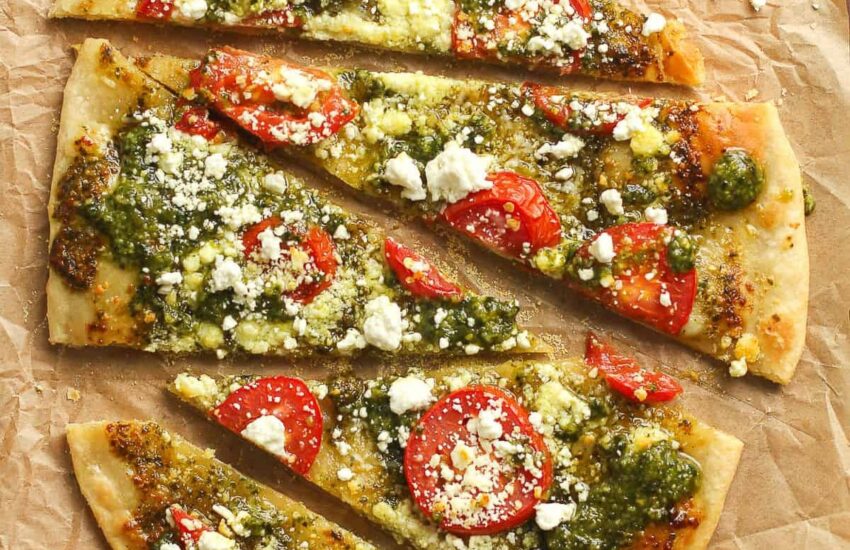
But here is the natural question: what do you sacrifice for that spectacular speed? The answer lies in the first bite. The texture difference is the most dramatic split. A great traditional pizza crust is a journey. Your teeth hit a crisp, maybe lightly charred bottom, then sink into a tender, chewy interior, and finally meet the puffy, airy cornicione. It is a multi-sensory experience in a single bite. Flatbread pizza crust, in contrast, offers a uniform crispness. It is more cracker-like, delicate, and consistently crunchy from edge to edge. Some folks adore that clean snap. I will admit, on nights when I want something light, I crave it. But when I need comfort, I miss the hearty chew of the traditional style.
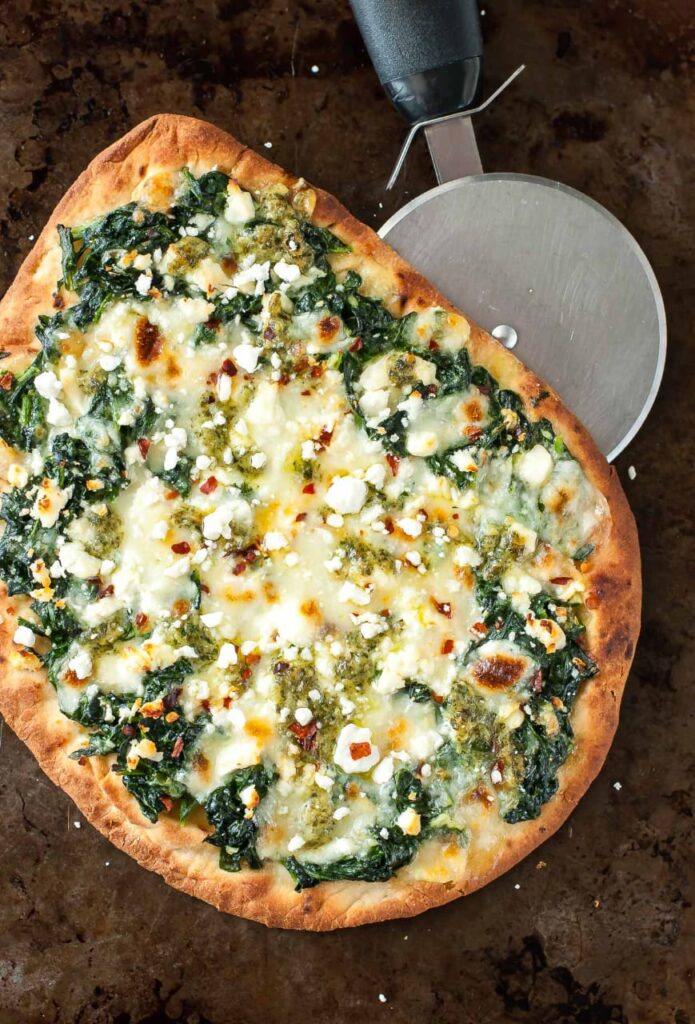
This leads us to flavor. The yeasted, fermented dough of a traditional base brings its own delicious, slightly sour notes to the party. It is a flavor that stands up to rich tomato sauce and gooey cheese. Flatbread dough, however, is more of a neutral canvas. It is a subtle, crispy vehicle for the toppings. This is not a bad thing! It just shifts the focus. It encourages lighter, brighter combinations like hummus, roasted veggies, and a zesty lemon vinaigrette rather than a heavy blanket of mozzarella.
It made me realize I was loading my traditional pizzas with too much sometimes, drowning out that beautiful crust I worked so hard to create. And that brings us to toppings, which is where the fun really begins. The sturdier structure of a traditional crust can handle a heavier payload. You can pile on the meats, the cheeses, the veggies, and it holds up. A flatbread, given its delicate nature, begs for restraint. Learning the SEO-optimized tips for perfect pizza at home includes understanding this balance.
Overload it, and you have a sad, soggy, floppy mess. This limitation is actually a creative blessing. It pushes you toward elegance: a smear of ricotta, some caramelized onions, a drizzle of hot honey. You would not necessarily put those on a classic New York-style slice, but on a flatbread, they sing. So, which is better? I have made peace with the fact that this is the wrong question. It is like asking if a sports car is better than a pickup truck. It depends entirely on the need.
My old pizza snob self would have never admitted this. Now, I see they are just different tools for different moods. Craving a project, a hearty meal, and that sublime mix of chewy and crispy? That is a traditional pizza night. Need a quick, elegant, and lighter bite that lets top-quality ingredients shine? That is flatbread territory. In the end, my little dinner party epiphany was about more than pizza. It was about letting go of rigid definitions of authentic food.
Does innovation spoil tradition? I do not think so. There is profound value in preserving the beautiful, time-tested craft of a perfect Neapolitan pizza. And there is equal joy in the modern, creative freedom that flatbread pizza represents. My kitchen has space for both now. Some nights, I want to feel like a maestro, tending to my bubbling dough. Others, I just want something deliciously crispy in my hands before the evening news is over. And honestly, is that not a real win? For a deep dive into the history and techniques of traditional Neapolitan pizza, the Associazione Verace Pizza Napoletana sets the standard you can explore here.
References
Helstosky, C. (2008). Pizza: A Global History. Reaktion Books. https://www.reaktionbooks.co.uk/display.asp?ISBN=9781861893912
Corriher, S. O. (2008). BakeWise: The Hows and Whys of Successful Baking. Scribner. https://www.simonandschuster.com/books/BakeWise/Shirley-O-Corriher/9781416560784
McGee, H. (2004). On Food and Cooking: The Science and Lore of the Kitchen. Scribner. https://www.simonandschuster.com/books/On-Food-and-Cooking/Harold-McGee/9780684800011
Buford, B. (2006). Heat: An Amateur’s Adventures as Kitchen Slave, Line Cook, Pasta-Maker, and Apprentice to a Dante-Quoting Butcher in Tuscany. Knopf. https://www.penguinrandomhouse.com/books/92958/heat-by-bill-buford/