
 Posted by
 Discover why pastrami pizza is the unexpected topping that transforms ordinary pies into extraordinary meals. When most people think about pizza toppings, pepperoni usually takes center stage. Maybe some sausage if you are feeling adventurous, or ham if you grew up eating Hawaiian pizza without apology.
But pastrami? That seemed like culinary madness the first time someone suggested it to me at a small pizzeria in Brooklyn. I remember looking at the menu board, squinting at the words “Pastrami Pizza” like they were written in a foreign language. Yet here I am, years later, writing about why this salt-cured, smoke-kissed meat deserves more attention in the pizza world than it currently gets.
Pastrami has always been the underdog of cured meats. It does not have the universal appeal of bacon or the Italian pedigree of prosciutto. Most people associate it exclusively with towering deli sandwiches, piled high on rye bread with mustard and pickles. The meat itself comes from beef, typically the navel end of the brisket, though sometimes the deckle cut makes an appearance.
What makes pastrami distinct from other cured meats is the process it undergoes. The beef gets brined in a solution heavy with salt, sugar, and those warming spices like coriander, black pepper, and garlic. After the brining comes the smoking phase, where the meat takes on that characteristic deep mahogany color and develops flavors that dance somewhere between peppery and sweet.
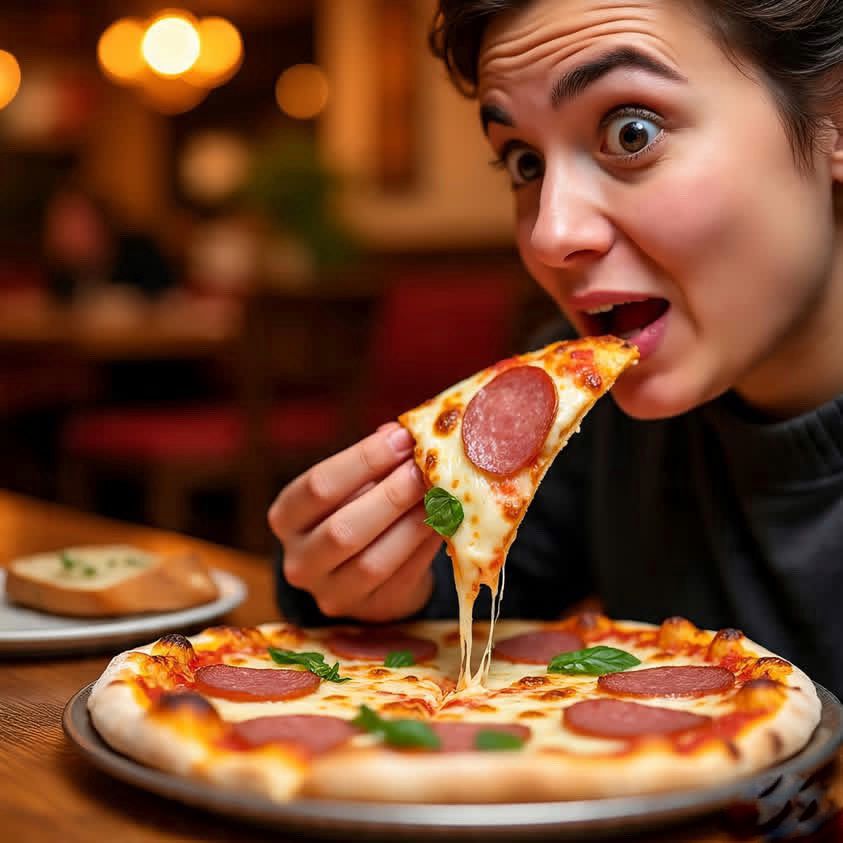
I first encountered pastrami on pizza during a particularly cold January evening. The pizzeria was one of those neighborhood spots where the owner knew half the customers by name and the other half by their usual order. Steam rose from the pizza oven in the back, fogging up the windows while snow fell outside. My friend ordered without consulting me, which annoyed me at the time but turned out to be a blessing.
When the pizza arrived, thin slices of pastrami were draped across a white pizza base with caramelized onions and just a whisper of mustard swirled into the cheese. That first bite was a revelation. The pastrami had crisped slightly under the oven heat, its edges curling up like little flavor boats filled with rendered fat and spice.
The beauty of pastrami as a pizza topping lies in its bold personality. This is not a subtle meat. When you add pastrami to pizza, it announces itself immediately. The peppery crust that coats good pastrami brings a textural element that pepperoni simply cannot match.
Where pepperoni can sometimes fade into the background of a loaded pizza, pastrami demands attention. It forces you to slow down and actually taste what you are eating rather than mindlessly consuming slice after slice.
What surprises people about pastrami pizza is how well the meat pairs with unexpected ingredients. Traditional pizza wisdom might tell you to stick with tomato sauce and mozzarella, but pastrami opens up different possibilities. A base of ricotta or cream cheese works beautifully, creating a canvas that lets the pastrami shine without competing for attention.
Pickled vegetables cut through the richness in ways that make each bite feel balanced rather than overwhelming. I have had pastrami pizza with sauerkraut that tasted like the best Reuben sandwich I never knew I needed in pizza form. The acidity of the fermented cabbage against the fatty, spiced meat created this perfect push and pull that kept me reaching for another slice.
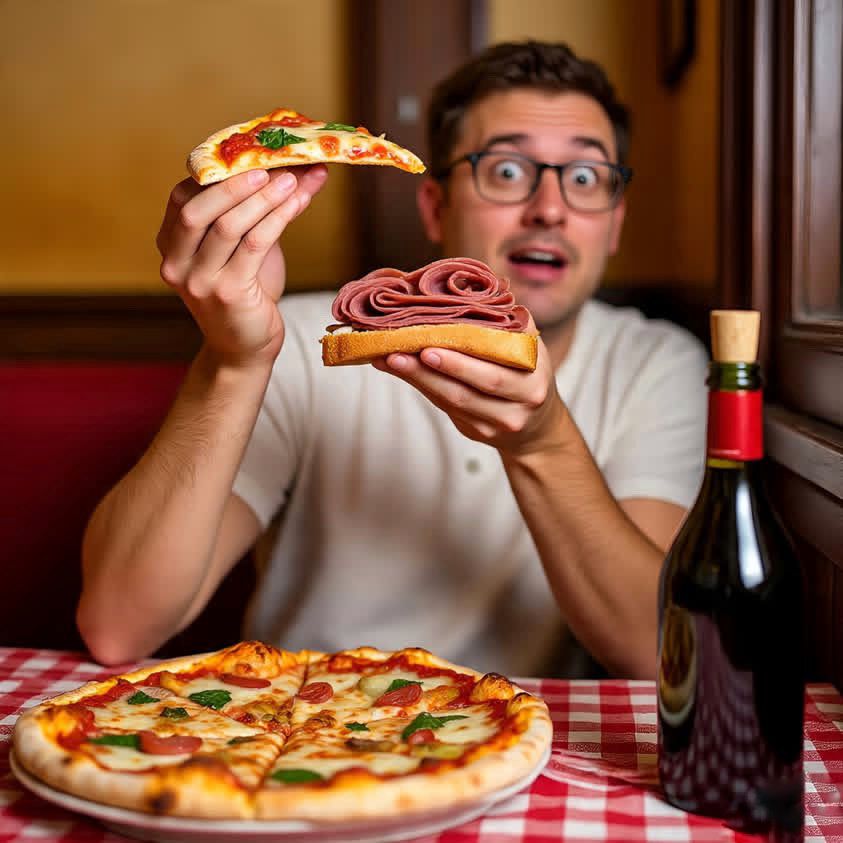
Making pastrami at home is not for the faint of heart, though it rewards patience in ways that few cooking projects do. The brining alone takes about a week, and you need to find space in your refrigerator for a large cut of beef to sit in liquid.
Then comes the smoking, which requires either a proper smoker or some creative work with a regular grill. But when you pull that finished pastrami out and slice into it, seeing the pink smoke ring just beneath the black pepper crust, you understand why people have been making this meat for generations. The smell alone could make you weep with anticipation.
The history of pastrami connects to Jewish delis in New York, though the technique itself has Romanian roots. Immigrants brought their food traditions with them, adapting recipes to what was available in their new home. Beef replaced the goose or mutton that might have been used in the old country.
The meat became a symbol of a community finding its place, taking something familiar and making it work in unfamiliar circumstances. When you think about it, putting pastrami on pizza is just another chapter in that story of adaptation and innovation.
Not every pizza needs pastrami, and I would never argue that it should replace classic toppings. But in a world where pizza has become so predictable, where you can guess what you are going to get before you even open the box, pastrami offers something different.
It challenges your expectations about what belongs on pizza and what does not. It asks you to be a little brave with your food choices. And honestly, is that not what good eating should be about? Taking chances, trying combinations that seem wrong on paper but somehow work perfectly in practice, and discovering that the rules we thought were set in stone were really just suggestions all along.
Reference
Aberle, E. D., Forrest, J. C., Gerrard, D. E., & Mills, E. W. (2012). Principles of meat science (5th ed.). Kendall Hunt Publishing.
Diner, H. R. (2001). Hungering for America: Italian, Irish, and Jewish foodways in the age of migration. Harvard University Press.
Merwin, T. (2015). Pastrami on rye: An overstuffed history of the Jewish deli. Food, Culture & Society, 18(2), 289–308. https://doi.org/10.1080/15528014.2015.1027831