
 Posted by
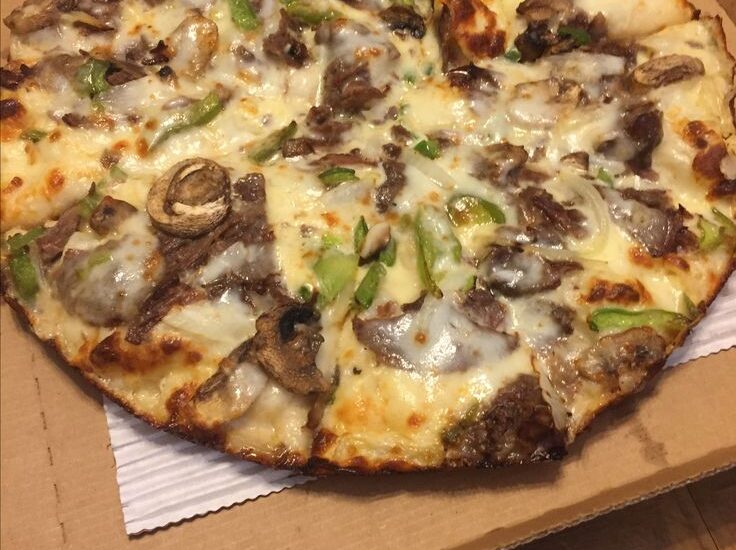
 I Did Not Grow Up in Philadelphia, but I Have Eaten Enough Cheesesteaks in My Life to Know a Good One When I Taste It. I also have some rather strong feelings about how that iconic flavor should translate to pizza. Let me just say it right now: the Philly Cheesesteak Pizza with Cheez Whiz and mushrooms is not a novelty pie. It is not a gimmick to sell slices to tourists. In my opinion, it is one of the smartest crossover dishes in modern pizza making, and I am prepared to die on this hill.
Let us start with the elephant in the room, the cheese. This is where most people get nervous. I know that achieving perfect Philly Cheesesteak Pizza requires the right ingredients and technique, and finding a balance of flavors is key to a memorable dish. Cheez Whiz was never meant to be a gourmet ingredient. When Kraft rolled it out in 1952, it was engineered for pure utility.
Philadelphians adopted it for the cheesesteak mostly because it melted fast and coated every single crevice of the roll without any effort. That practicality, that sheer lack of pretension, is exactly why it works on pizza too. A traditional mozzarella base wants structure and a clean pull. Cheez Whiz wants to flood the surface. When you spread it thin under slices of ribeye and caramelized onions, it does something that shredded cheese simply cannot do:
It becomes both sauce and cheese at the same time, soaking into the crust instead of just sitting on top of it. Are you starting to see the beauty here? Then we have the mushrooms. In my book, mushrooms are the ingredient that separates a lazy interpretation of this pizza from a thoughtful one. I know the cheesesteak purists sometimes turn their noses up at this ingredient.
They will tell you that Pat and Harry Olivieri never put them on the original 1930s sandwich. Fair enough, but a pizza is not a sandwich, and I am not interested in pretending it is. Sautéed cremini or button mushrooms add an earthy depth that balances the richness of the Whiz perfectly. They hold moisture in a way that keeps the whole pie from tasting one-note and boring.
Here is my actual opinion, the one I am not going to soften: provolone belongs on a cheesesteak sandwich, but it does not belong on this pizza. I know that is probably heresy to the aficionados that critics like Craig LaBan speak for, but provolone gets stringy and stubborn under high oven heat in a way that fights the toppings instead of supporting them.
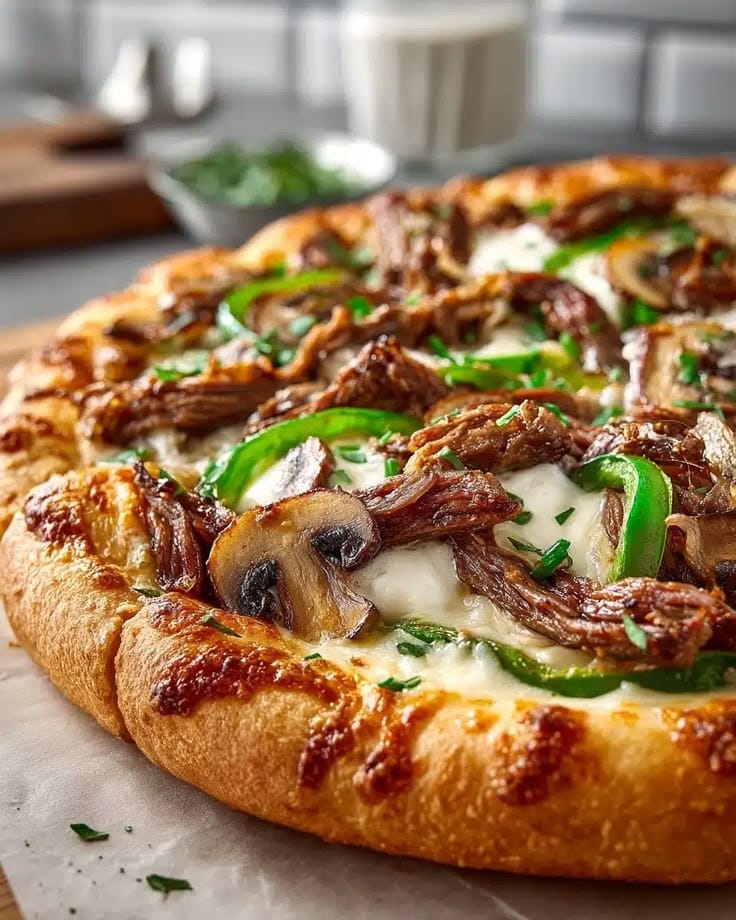
Cheez Whiz, precisely because it was engineered for speed and coverage rather than sophistication, is the better technical choice here. Sometimes the unpretentious option wins on merit, not just nostalgia. Build this beauty on a slightly thicker crust than you would use for a classic Neapolitan pie. Thin-sliced ribeye needs a base sturdy enough to hold its juices without going soggy.
Griddle the beef hot and fast, the same way you would for the sandwich, then layer it with the mushrooms and onions before the Whiz goes on in a drizzle rather than a solid layer. That drizzle technique matters a lot. Too much and you lose the crust entirely. Just enough and you get glorious pockets of gooey cheese next to caramelized beef in every single bite.
Now, I will admit something embarrassing. The first time I tried making this at home, I used pre-sliced deli roast beef instead of ribeye because I was lazy and thought nobody would notice. Big mistake. The texture was all wrong, chewy instead of tender, and the lack of marbling meant the meat dried out before the cheese even had a chance to bubble. I learned my lesson the hard way, so trust me when I say that starting with a good cut of ribeye, sliced as thin as you can manage, is non-negotiable.
Ask your butcher to shave it for you if you do not trust your knife skills. It makes all the difference between a pizza that tastes like a tribute and one that tastes like a compromise. The other thing I have figured out through trial and error is the order of operations. Do not just dump everything on the dough raw and hope for the best. The mushrooms need a quick sauté to release their water; they will steam the crust into a pale, floppy mess.
The onions need time to turn golden and sweet, not burnt and bitter. And the beef? That needs a screaming hot skillet for about ninety seconds, just long enough to get some color without cooking it all the way through. It will finish in the oven. Get those three components prepped separately, then assemble with intention. It takes an extra ten minutes, but I promise you, the payoff is enormous.
If you have made my flatbread pizza recipe before, you already have the crust technique down, and this topping combination will feel like a natural next step. I would also point you toward my piece on artisanal versus chain pizza, since this dish sits squarely in the artisanal camp even though its signature ingredient came out of a factory. And one final piece of advice? Skip the ketchup. I do not care what your local cheesesteak shop does. On pizza, there are too many flavors.
References
The Editors of Encyclopaedia Britannica. (2015, October 12). Cheesesteak. Encyclopaedia Britannica. https://www.britannica.com/topic/cheesesteak
Wikipedia contributors. (2026, June 6). Cheesesteak. Wikipedia. https://en.wikipedia.org/wiki/Cheesesteak
Encyclopedia of Greater Philadelphia. (2022, March 14). Cheesesteaks. https://philadelphiaencyclopedia.org/essays/cheesesteaks/