
 Posted by
 Most salad greens are just nice. You know what I mean? They show up, they soak up the dressing, and they basically fade into the background. Lettuce does not challenge you. Spinach is just there to be healthy. But arugula? Oh no. Arugula walks into a bowl like it owns the place, and honestly? I respect that. It has a personality. And that personality is a little bit spicy, a little bit sharp, and completely unforgettable.
I will admit something embarrassing. The first time I tried arugula, I thought my salad had gone bad. I actually checked the expiration date. That peppery bite caught me completely off guard. But here is the thing: once you understand what is happening, you start to crave it. That heat you feel at the back of your throat when you chew arugula comes from natural compounds called glucosinolates. Same stuff that gives mustard and radishes their kick.
It is not like chili pepper heat. It is more of a bright, alive sensation. A signal that says, “Hey. You are eating something real right now.” And once your taste buds wake up to it, there is really no going back. Let me pause on the flavor for a second because I know some of you are still on the fence. Here is where the arugula health benefits start to get interesting.
This little leaf is technically a cruciferous vegetable. Same family as broccoli, kale, and Brussels sprouts. And if you have been paying attention to nutrition research at all, you know that family gets a lot of good press.
I never used to understand why people loved arugula until I gave it a real chance. Now, I am breaking down the surprising arugula benefits, from its bold flavor to how it can actually help your health. Studies have consistently linked cruciferous veggies to reduced inflammation and a lower risk for certain types of cancer.
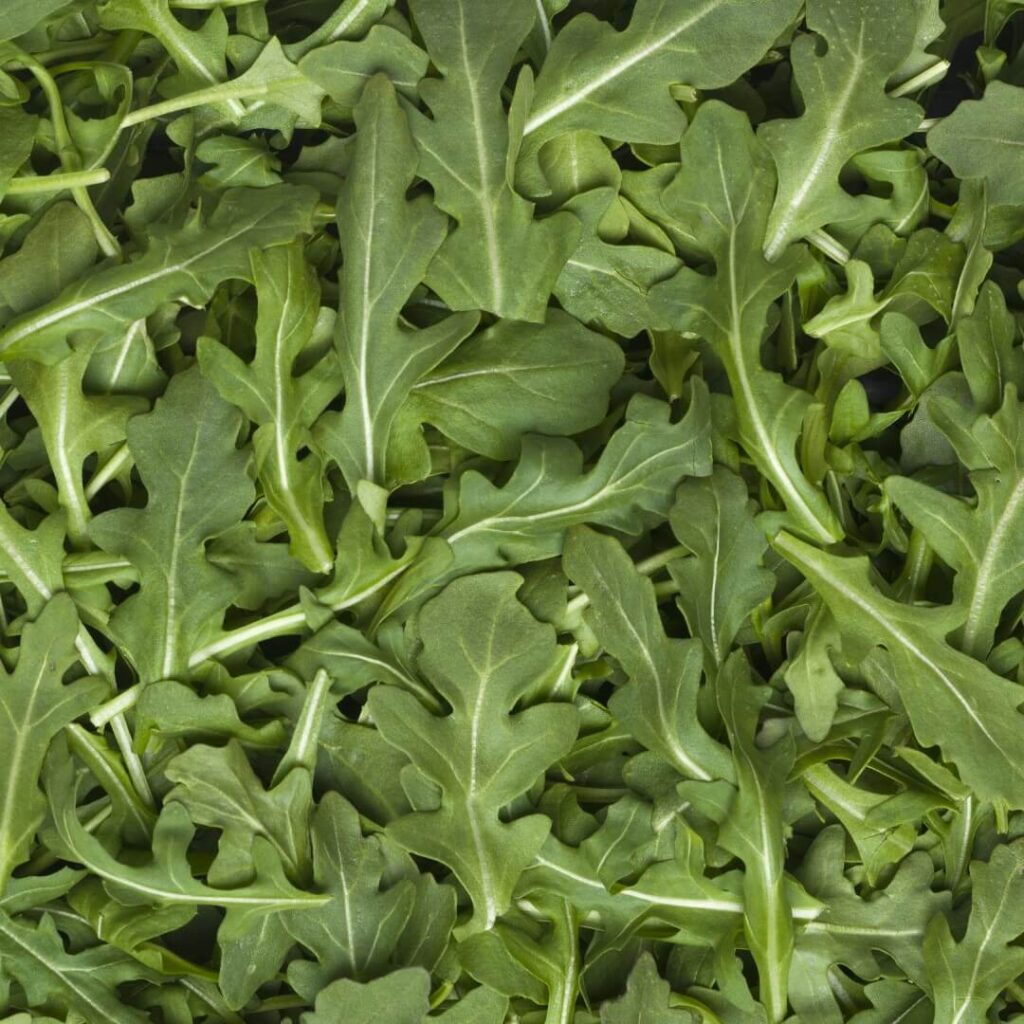
That is not nothing. Arugula is also packed with vitamin K, which is a big deal for your bones, plus folate, calcium, and a bunch of antioxidants. And all of that comes in a nearly zero-calorie package. You are not eating it just because it is good for you but does it not feel nice when something delicious also does your body a favor?
Here is where a lot of home cooks mess up. They treat arugula like lettuce. Do not do that. Arugula does not want to be a silent base. It wants to talk back. What this green does better than almost any other leafy thing is hold its own against big, bold flavors. Throw it under a mountain of shaved Parmesan and a bright lemon dressing? It does not wilt into submission.
Pair it with something fatty, like prosciutto or a runny egg, and that bitterness cuts right through the richness. It makes both ingredients better. That is the magic. Italian cooks figured this out forever ago. They call it rucola, and they throw it on pizza, pasta, and bruschetta without a single apology. One of my favorite lazy dinners is just a piece of toast with ricotta, a handful of arugula, a drizzle of olive oil, and some black pepper.
It takes three minutes. Tastes like you tried. Have you noticed how restaurant menus use arugula differently than they did twenty years ago? You see it on flatbreads, smashed into sandwiches, or scattered over hot pasta so the residual heat barely wilts the edges. Every single one of those applications uses the same trick arugula adds a moment of resistance.
Hey, hey, I am here. And that makes the whole dish more interesting. If you have any kind of garden space or even a decent pot on a balcony you should consider growing arugula yourself. I am not a master gardener by any stretch. But arugula is fast, forgiving, and it actually prefers cooler weather. Plant it in early spring or fall. It bolts when the heat hits, which means it turns more bitter and sends up flowers.
But guess what? Even the flowers are edible and peppery. The plant just refuses to be boring at any stage of its life. Arugula rewards people who actually pay attention to what they are eating. It is not a background ingredient. It is not filler. Every time it shows up in a dish, it is doing something on purpose. And in a world full of forgettable salads, I think that is worth respecting.
If you want to dig deeper into the science behind those glucosinolates and how they affect your body, check out this research summary from the National Institutes of Health for a closer look at cruciferous vegetables and inflammation.
References
Björkman, M., et al. (2011). Phytochemistry of glucosinolates and their breakdown products. Phytochemistry, 72(2–3), 135–145. https://doi.org/10.1016/j.phytochem.2010.10.004
U.S. Department of Agriculture, Agricultural Research Service. (2023). FoodData Central: Arugula, raw. https://fdc.nal.usda.gov/fdc-app.html#/food-details/169387/nutrients
World Cancer Research Fund / American Institute for Cancer Research. (2018). Diet, nutrition, physical activity and cancer: A global perspective. https://www.wcrf.org/dietandcancer