
 Posted by
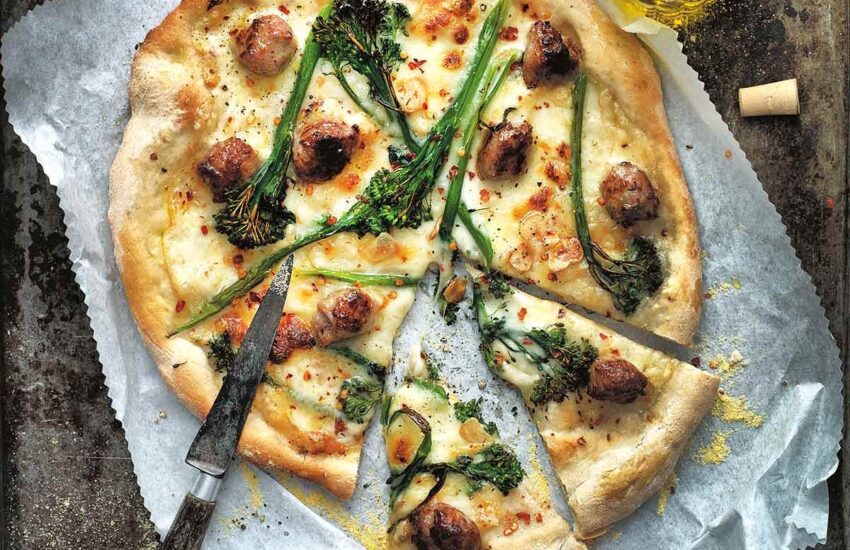
 I have a distinct memory of the first time a friend suggested we order a white pizza. I did not just hesitate; I was genuinely baffled. Pizza without tomato sauce? It felt like a fundamental breach of the pizza code, like a sandwich with no bread. I dismissed it as a gimmick, some kind of culinary trend trying to fix what was not broken. I could not have been more wrong, and my journey from skeptic to believer is a story of discovering one of the most delicious and often overlooked styles of pizza. Let me tell you, white pizza is not just legitimate; it is a revelation that completely changed how I think about this beloved food. So, what is white pizza, really? Its story does not start in a trendy modern restaurant. Its roots, as pizza bianca, go back centuries in Italy.
Imagine Roman bakers, long before tomatoes even arrived from the Americas, sliding a simple piece of flatbread brushed with olive oil and salt into their wood-fired ovens. This was not even the main event; it was a test to check the oven temperature for baking bread. But the irresistible aroma and satisfying crunch turned this humble tester into one of Rome’s most cherished street snacks. Is it not amazing how the best foods often have the most accidental beginnings? People would crowd around bakeries, eager to get a warm piece, sometimes stuffed with salty mortadella or sweet figs. This was the pure, unadorned beginning of the white pizza we know today. The true magic of a well-made white pizza is its stunning simplicity. Without a robust tomato sauce dominating every bite, you are forced to actually taste the foundation of the pizza. You can appreciate the quality of the dough, its slight tang from a slow fermentation, its chewy interior, and its crisp exterior.
The olive oil is not just grease; it is a fragrant, fruity backdrop. The cheese, if you use it, has to stand on its own merits. There is simply nowhere for subpar ingredients to hide. This style of pizza is a testament to the idea that less can be so much more, provided that “less” is of exceptional quality. Now, when white pizza crosses the Atlantic to America, we put our own spin on it, as we tend to do. The American version often diverges from its minimalist Italian ancestor. We embraced richness. Our white pizzas often feature a generous base of ricotta, mozzarella, garlic, and herbs. Some pizzerias even use a light cream or béchamel sauce, creating a decadent, almost casserole-like experience. Toppings like spinach, artichokes, and grilled chicken are common. I do not see this as a corruption, but rather an evolution. It reflects a different palate, one that loves abundance. But to truly understand the pinnacle of American white pizza, you have to travel to New Haven, Connecticut.
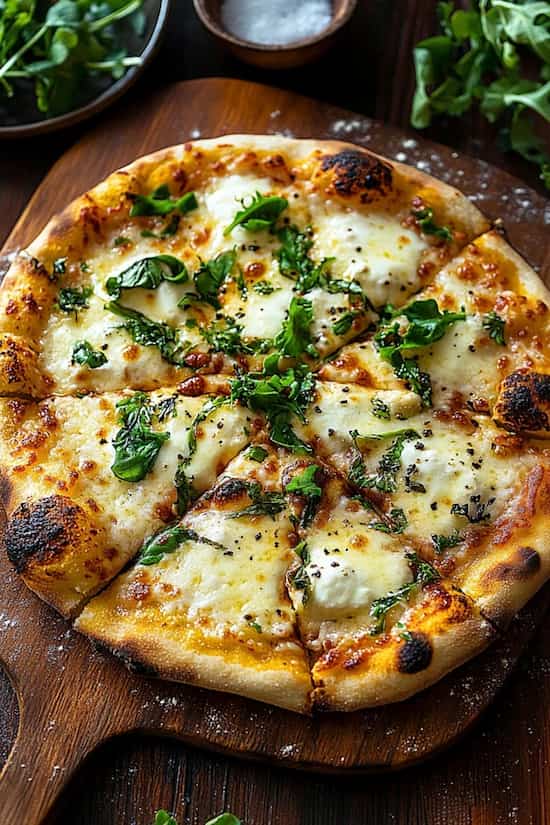
I will never forget my first pilgrimage to Frank Pepe Pizzeria Napoletana for their legendary white clam pizza. The story goes that back in the 1960s, facing changing health regulations for serving raw clams, Frank Pepe had a brilliant idea: put them on a pizza. The result was nothing short of revolutionary. Freshly shucked littleneck clams, a generous amount of garlic, a sprinkle of oregano, sharp Pecorino Romano cheese, and olive oil on a thin, charred, coal-fired crust. No tomato sauce. No mozzarella to gum up the works. It is a masterpiece of balance. The crust has a smoky bitterness from the coal oven that plays perfectly against the briny, sweet clams and the pungent garlic.
This is not just my opinion; publications from The Daily Meal to The Guardian have named it the best pizza in the country. The line snaking down Wooster Street is a testament to its enduring power. This is a perfect example of why seeking out an authentic white pizza recipe is so important. Do not judge it by a sad, frozen imitation or a poorly executed version from a chain. A real white pizza, whether the simple Roman kind or the complex New Haven clam pie, is about the quality of the core components. The dough needs time to develop character. The olive oil should be something you would enjoy dipping bread into. The cheese should be fresh and flavorful. When these elements come together under the intense heat of a proper oven, magic happens.
And for those who still want to argue that pizza is not “real” without tomato sauce, I have a historical reality check. Pizza bianca predates tomato-based pizza by hundreds of years. Tomatoes were not even part of the Italian diet until the 16th century, and they were initially thought to be poisonous! The original pizzas were all white pizzas, making them the true OGs of the pizza world. This debate is, frankly, silly. Food is about exploration and joy, not rigid rules. One of the things I now love most about white pizza is its incredible versatility.
Without the tomato sauce defining the flavor profile, you have a blank canvas for incredible toppings. Have you ever tried one with blue cheese, caramelized onions, and pears? Or with roasted butternut squash and crispy sage? Or simply topped with fresh arugula and prosciutto after it comes out of the oven? The possibilities are endless and allow seasonal, high-quality ingredients to truly shine. My journey taught me that white pizza is more than just a menu item; it is a lesson in culinary honesty. Great food does not need to be complicated. It needs respect for the ingredients and the skill to bring them together. When you find a place that does it right, you will understand. It is honest food, perfected. And is not that what we are all really looking for?
References
Local Aromas. (2024). “What is Roman White Pizza?” https://www.localaromas.com/what-is-roman-white-pizza/
New England Historical Society. (2021). “The Birth of New Haven’s Famous White Clam Apizza.” https://newenglandhistoricalsociety.com/birth-new-havens-famous-white-clam-apizza/
Wikipedia. (2025). “Frank Pepe Pizzeria Napoletana.” https://en.wikipedia.org/wiki/Frank_Pepe_Pizzeria_Napoletana