
 Posted by
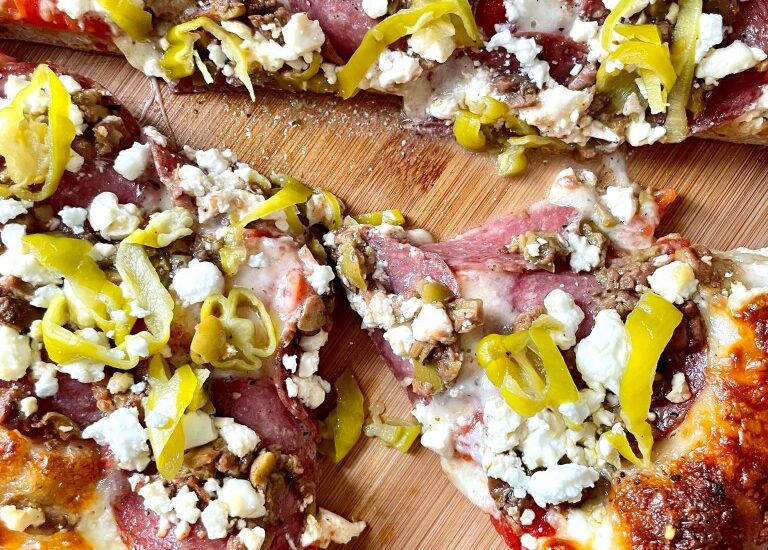
 My first experience with Pepperoncini was not in a fancy restaurant or a gourmet recipe. It was sitting alone in the corner of a pizza box, a little green surprise I had no idea what to do with. For years, I treated it like decorative parsley, something you push to the side of your plate. I would just toss it out. Then, one lazy Tuesday, I decided to take a brave bite. My pizza-eating world was turned upside down. That tangy, mildly spicy crunch was the missing piece I never knew my slice needed. If you have ever wondered about that little green pepper in your pizza box, this deep dive into why pepperoncini deserves a spot on your pie is for you. The real question shifted in my mind.
It was no longer about whether it belonged with pizza, but whether it belonged on it. For me, the answer became a resounding, life-changing yes. So, what exactly are these flavor-packed peppers? Pepperoncini, sometimes called Tuscan peppers or golden Greek peppers, are these wonderfully mild chili peppers. We are talking about a Scoville rating of just 100 to 500 units. To put that in perspective, a jalapeño can be up to sixteen times hotter. Is that not perfect? You get all the interesting complexity of a chili pepper without any of the mouth-scorching pain. Their magic lies in a flavor profile that is tangy, slightly sweet, and beautifully acidic, especially when they are pickled. It is a gentle nudge of heat, not a shove.
I started wondering, where did this tradition even come from? It turns out, this is a beautiful piece of Italian-American history. The pepperoncini itself hails from Italy and Greece, a staple in Mediterranean salads and antipasto platters. When Italian immigrants came to America, they brought their culinary treasures with them, and this little pepper eventually found its soulmate in the pizza box. I think some clever pizza shop owner realized that customers needed something to cut through the rich, gooey cheese and tangy tomato sauce. It was a match made in heaven. Now, I can already hear the number one complaint. “But will it not make my pizza soggy?” Look, I get it. If you pluck a wet, pickled pepperoncini straight from the jar and plop it onto your pizza, you are going to have a bad time.
There will be moisture. But the solution is so simple it is almost silly. You just give it a gentle squeeze. I call it “popping” the pepper. It takes two seconds and it releases all that excess brine trapped inside. If you are not willing to do that, well, let us be honest, that is on you. It is not a valid reason to dismiss this incredible topping. Another argument I hear is that the acidity clashes with the tomato sauce. This one genuinely puzzles me. Isn’t tomato sauce already acidic? I find the extra zing from the pepperoncini actually brightens the entire flavor profile. It cuts through the fat of the mozzarella cheese like a champion, creating a beautiful balance.
Think about how a squeeze of lemon elevates a piece of fish. Acidity is not the enemy; it is the secret weapon that keeps your palate interested and prevents the pizza from feeling too heavy. And can we talk about health for a second? I was shocked to learn how good these little guys are for you. They are ridiculously low in calories like, three calories per pepper low. They are a good source of fiber and packed with Vitamins A and C, which are fantastic for your immune system and overall health. They even contain capsaicin, the compound that gives all chili peppers their heat. Research has linked capsaicin to anti-inflammatory effects and a metabolism boost.
You are basically adding a tiny, tasty health booster to your pizza. One of my favorite things about pepperoncini is its incredible versatility. It plays well with others. On a classic meat-lovers pizza, the pepperoncini’s tanginess cuts through the richness of pepperoni or sausage beautifully. On a veggie pizza, it harmonizes with mushrooms and onions without stealing the show. I even love it on a white pizza, where its brightness prevents all that delicious cheese from becoming too cloying. One of my go-to homemade creations involves a simple base of mozzarella, sweet caramelized onions, a little garlic, and a generous helping of sliced pepperoncini. The sweet, savory, and tangy combo is nothing short of extraordinary. I know some purists will say, “But you would never find this on a pizza in Italy!” And you know what? They are probably right. But Italian-American cuisine is its own wonderful, evolving tradition.
We do not hold back from putting pepperoni on our pies, do we? Food is meant to adapt and bring joy, not be locked in a museum. The textural contrast is another win. Most pizza toppings are soft. The pepperoncini retains a delightful, subtle crunch even after a trip through a hot oven. That little snap when you bite into it makes the entire eating experience so much more engaging. It is the same reason pickles are so good on a burger. So, if you are going to try this, you have to commit. Do not be shy. Scattering one or two peppers across an entire pizza is a tease. You need to slice up a good handful and distribute them evenly so you get that perfect flavor in almost every single bite.
Trust me, your pizza will thank you for it. Some folks prefer to eat their pepperoncini on the side, as a palate cleanser between slices. And hey, that is fine. But to me, that is like keeping the best part of the experience separate. Why not integrate that burst of flavor directly into the masterpiece? After all, the best food experiences are the ones that break the rules and surprise you. My journey from tossing that little green pepper to proudly piling it onto my pizza was a delicious lesson in keeping an open mind. I highly recommend you give it a real shot.
References
PepperScale. (2019). “Pepperoncini Nutrition: How Healthy Are They? https://pepperscale.com/pepperoncini-nutrition/
Pizza Today. (2025). “Pepperoncini: Mild Yet Wild.” https://pizzatoday.com/topics/menu-development/pepperoncini-mild-yet-wild/
WebMD. (2024). “Capsaicin: Health Benefits, Safety Information, Dosage, and More.” https://www.webmd.com/diet/health-benefits-capsaicin