
 Posted by
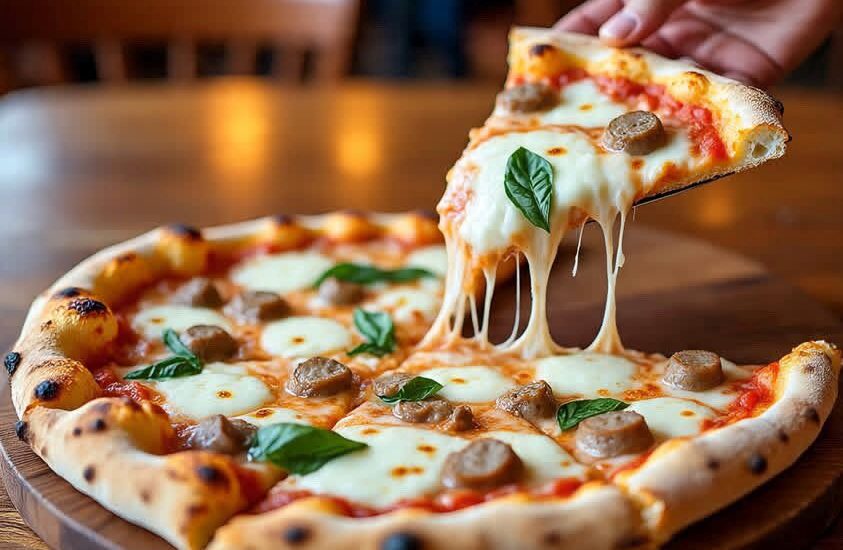
 I have been making pizza at home for almost six years now, and I can tell you with absolute certainty that ricotta and sausage pizza is one of those combinations that sounds simple on paper but delivers something far greater than the sum of its parts. When I first stumbled across this combination at a small pizzeria in Brooklyn, I remember thinking it seemed almost too plain compared to the elaborate pies surrounding it on the menu. Boy, was I wrong. Learn the secrets to perfectly balanced toppings, cooking techniques, and flavor combinations.
The thing about ricotta is that it does not behave like other cheeses on pizza. Mozzarella melts into those beautiful stringy pools we all know and love, but ricotta stays put. It creates these little clouds of creamy richness that contrast perfectly with the salty, fennel-kissed bite of Italian sausage. When you get a forkful with both elements, along with a bit of that charred crust, you understand why this pizza has been a staple in Italian-American pizzerias for generations.
I started experimenting with this combination in my own kitchen about three years ago, and I have probably made it two dozen times since then. Each time I learn something new about the balance between these two main ingredients. The first few attempts were honestly a bit of a mess. I would pile on too much ricotta, turning what should have been a pizza into something closer to a cheese pie. Or I would use pre-cooked sausage that dried out in the oven, becoming these little pebbles of disappointment scattered across the dough.
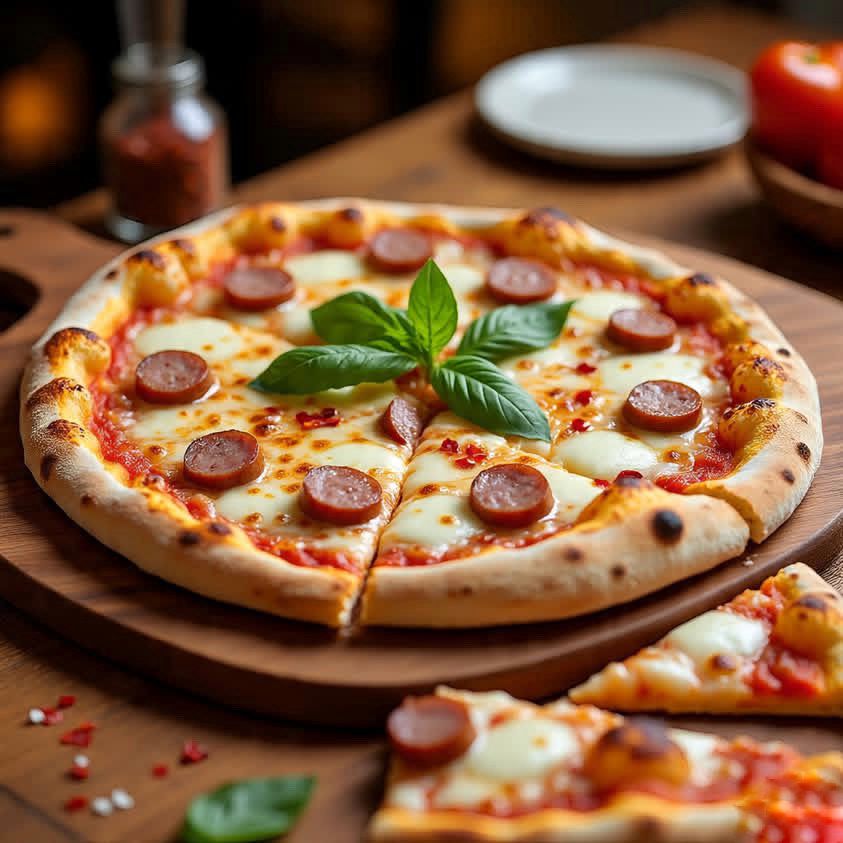
Getting the sausage right is actually where most people struggle with this pizza. You want to use raw Italian sausage, removed from its casing and broken into small chunks. Some people tell you to cook it first, but I have found that placing raw sausage directly on the pizza allows it to release its fat and flavor into the cheese and sauce as it cooks. The heat of the oven does all the work. The sausage gets crispy on the edges while staying juicy in the middle, and all those wonderful spices and herbs infuse everything around them.
When it comes to ricotta placement, I have developed a technique that works beautifully every time. Instead of spreading the ricotta like you would tomato sauce, I dollop it in strategic locations across the pizza. Think of it like placing little flavor bombs that people will discover as they eat. Some bites will have ricotta, some will not, and that variation makes the eating experience so much more interesting than a uniform spread would provide.
The sauce situation with ricotta and sausage pizza is worth discussing too. I have tried this pizza with heavy tomato sauce, light tomato sauce, and even no sauce at all, opting for just olive oil and garlic as a base. My personal preference falls somewhere in the middle. A light coating of good tomato sauce provides acidity that cuts through the richness of both the ricotta and the sausage fat. Too much sauce and you drown out the delicate flavor of the ricotta. Too little and the pizza can feel heavy and one-dimensional.
One question I get asked frequently is whether to add mozzarella to a ricotta and sausage pizza or let the ricotta stand alone. Purists might argue that ricotta should be the only cheese, but I find that a moderate amount of low-moisture mozzarella adds that stretchy, melty quality that makes pizza feel like pizza. The key word here is moderate. You are not making a cheese-lover’s pizza. You are making a ricotta and sausage pizza where mozzarella plays a supporting role.
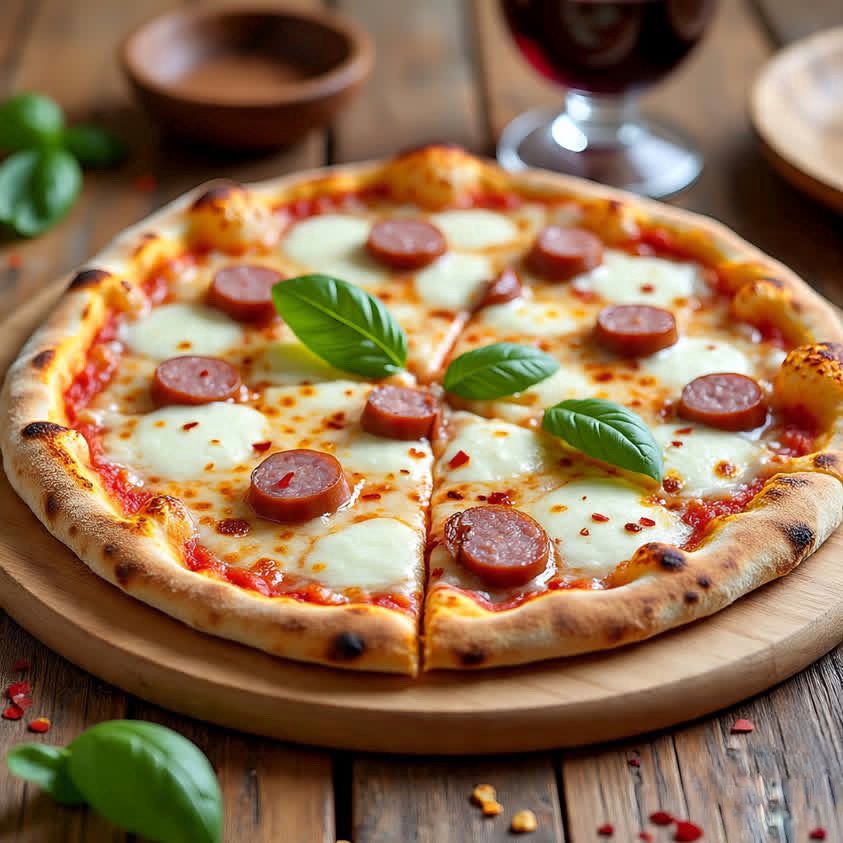
Fresh herbs make a massive difference in the final product. I usually tear up some fresh basil and scatter it over the pizza right when it comes out of the oven. The residual heat wilts the basil just enough to release its aroma without cooking it into submission. Some people swear by oregano or even a sprinkle of red pepper flakes. I say trust your instincts and use what makes you happy.
The crust you use matters more than you might think. I have made this pizza on everything from store-bought dough to my own sourdough starter that I have been nursing along for two years now. While homemade dough certainly elevates the experience, I will not pretend that good ricotta and sausage pizza requires you to be a dough master. What it does require is proper baking technique. Your oven needs to be as hot as it can possibly get. I am talking 500 degrees Fahrenheit minimum, preferably higher if your oven allows it.
Looking back at all the pizzas I have made over the years, ricotta and sausage consistently ranks in my top three favorites. It reminds me that sometimes the most memorable food is not the most complicated or the most trendy. Sometimes it is just about getting a few quality ingredients to work together in harmony, respecting each one for what it brings to the table, and not overthinking the process.
Reference
Gabaccia, D. R. (1998). We are what we eat: Ethnic food and the making of Americans. Harvard University Press.
McGee, H. (2004). On food and cooking: The science and lore of the kitchen (Rev. ed.). Scribner.
U.S. Department of Agriculture. (2020). Dietary Guidelines for Americans, 2020-2025 (9th ed.). https://www.dietaryguidelines.gov/