
 Posted by
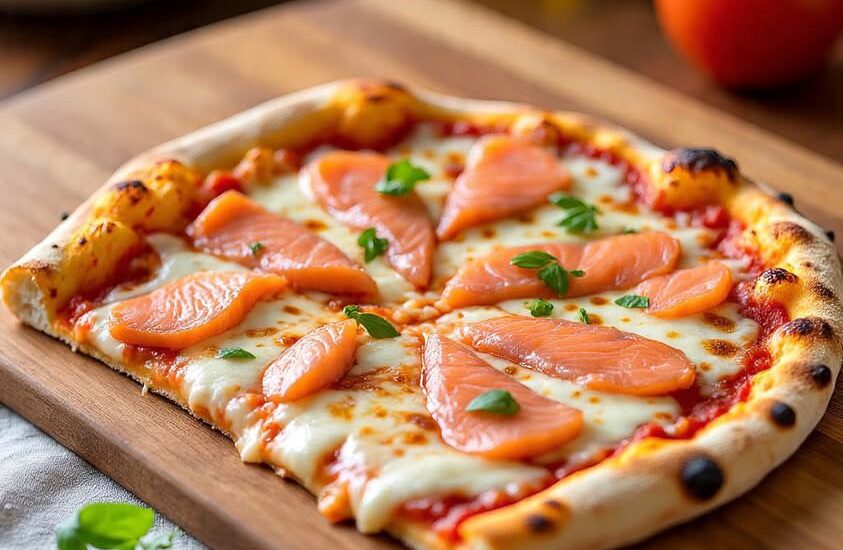
 From smoked to fresh salmon, explore this Nordic-inspired pizza that challenges traditional toppings.When I first heard someone mention salmon, I will admit my immediate reaction was skepticism bordering on horror. Pizza was supposed to be about pepperoni, maybe some mushrooms if you were feeling adventurous, and certainly nothing that swam in cold northern waters.
But then again, I had never really stopped to consider how perfectly certain ingredients could complement each other until I actually tried a proper salmon and dill pizza at a small pizzeria in Brooklyn that has since closed down, which makes me sad every time I think about it.
The thing about salmon as a pizza topping is that it requires a complete rethinking of what pizza can be. We are not talking about your standard Friday night delivery order here. This is pizza that leans into Scandinavian flavors, that embraces the cool and creamy rather than the hot and spicy, which makes you wonder why anyone ever thought pineapple was the most controversial topping when fish was right there waiting to spark debate.
Dill enters this equation as the essential counterpart, the herb that somehow makes everything make sense. I remember my grandmother used to grow dill in her garden, and the smell of it would hit you before you even opened the back gate. She used it in everything from pickles to potato salad, but never once did she put it on pizza because, well, we were not exactly an innovative pizza family. Yet dill has this remarkable ability to cut through richness while adding its own aromatic complexity. When paired with salmon, it does not just complement the fish; it elevates the entire experience into something that feels both familiar and completely new.
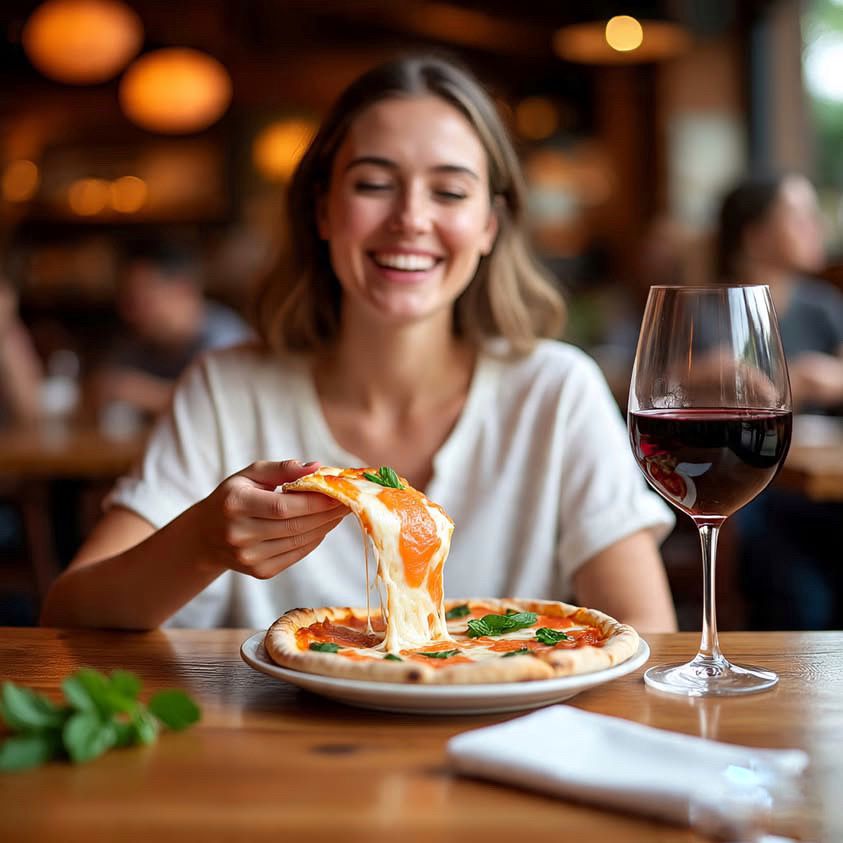
The preparation method matters enormously when we talk about salmon pizza. Some pizzerias use smoked salmon, which brings that deep, almost bacon-like quality to the pie. Others prefer fresh salmon that gets cooked right there on the pizza in the oven, which gives you flaky, tender pieces that contrast beautifully with the crispy crust.
I have tried both methods multiple times, and honestly, I cannot pick a favorite. They are different experiences entirely. The smoked version feels more refined, almost like something you would order at brunch with a mimosa in hand. The fresh salmon approach feels heartier, more substantial, like an actual dinner rather than an experiment.
Cream cheese or crème fraîche often replaces the traditional tomato sauce on salmon and dill pizza, and this is where some pizza purists start to get uncomfortable. But hear me out on this because the creamy base is essential. Tomato sauce would overpower the delicate flavor of the salmon and clash with the dill in a way that would make the whole thing taste confused.
The cream cheese melts into this luscious, tangy layer that acts as a bridge between the crust and the toppings. Some recipes incorporate a touch of lemon zest into the cream cheese, which I highly recommend if you ever decide to make this at home. That little bit of citrus brightness keeps everything from feeling too heavy.
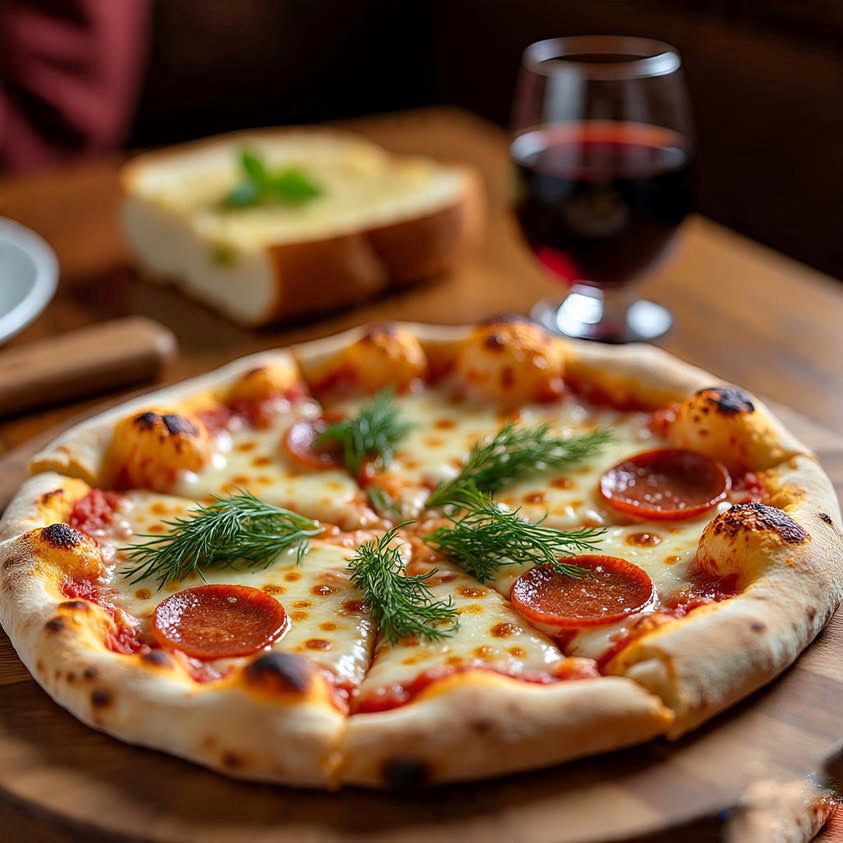
Red onion shows up on many salmon and dill pizzas, usually sliced paper-thin, so it adds sharpness without overwhelming bite. Capers make frequent appearances, too, bringing their briny punch that reminds you this is fundamentally a pizza inspired by bagels and lox. The traditional Jewish delicatessen combination translates surprisingly well to pizza format, which makes sense when you think about it. Both bagels and pizza are essentially bread vehicles for delicious toppings, so why would we not borrow flavor combinations between them?
The crust itself deserves consideration when making salmon and dill pizza. A thin, crispy crust works better than a thick doughy one because you want the focus to remain on the toppings. That said, I have had versions on focaccia-style crust that were absolutely incredible, with the olive oil in the dough complementing the richness of the salmon. Some pizzerias finish the pizza with fresh dill after it comes out of the oven, which preserves that bright green color and gives you an extra burst of herb flavor with each bite.
What fascinates me most about this combination is how it represents the evolution of pizza from its Italian roots into something more global. Pizza has become a canvas for culinary creativity around the world, and the salmon and dill version shows how Nordic flavors can find a home on an Italian foundation. It challenges our assumptions about what belongs on pizza while still respecting the fundamental structure that makes pizza work.
I cannot promise that salmon and dill pizza will convert every skeptic who tries it. Some people remain firmly in the camp that fish has no business on pizza under any circumstances, and I respect that position even if I disagree with it. But for those willing to expand their pizza horizons beyond the usual suspects, this combination offers something genuinely special. It reminds us that pizza continues to evolve, continues to surprise us, and continues to prove that almost anything can work if you approach it with the right technique and the right companion ingredients. And really, is that not what makes pizza so endlessly fascinating?
Reference
National Institutes of Health, Office of Dietary Supplements. (2026, January 5). Omega-3 fatty acids: Fact sheet for health professionals. U.S. Department of Health and Human Services. https://ods.od.nih.gov/factsheets/Omega3FattyAcids-HealthProfessional/
U.S. Food and Drug Administration. (2021). Advice about eating fish: For those who might become or are pregnant or breastfeeding and children ages 1 to 11 years. https://www.fda.gov/food/consumers/advice-about-eating-fish
U.S. Department of Agriculture. (n.d.). Dill weed, fresh. FoodData Central. Agricultural Research Service. https://fdc.nal.usda.gov