
 Posted by
 There is this moment. You know the one. You slide into a booth at your local pizzeria, the smell of dough and melted cheese is hitting you just right, and then the server drops the question. “Do you want hot peppers on the side?” I swear, the table splits into two kinds of people right then. Some folks don’t even let the sentence finish before they yell “yes.” Others wave their hand like they are swatting away a fly, as if the question was a little insulting.
For years? I was firmly in the second group. I did not get it. Why would you mess up a perfectly good slice of pepperoni with some vinegary, spicy little rings? That was my old way of thinking. It was wrong. Now? I am the person asking for extra peppers before they bring the pie out. Let me tell you why.
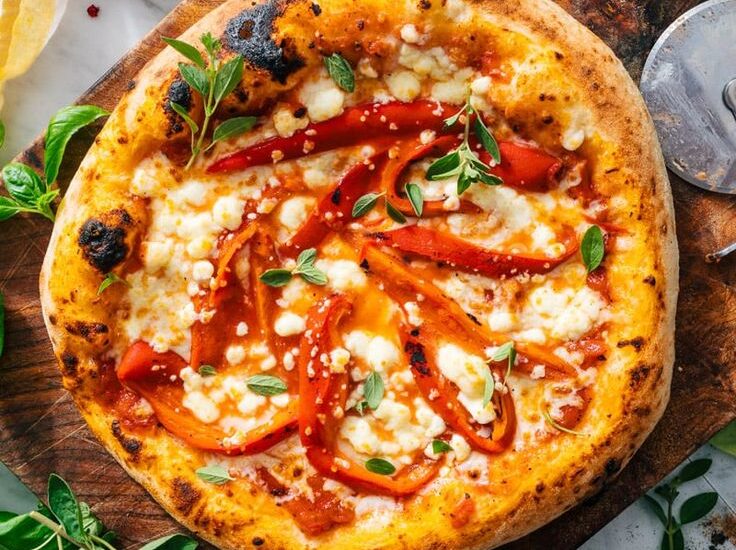
Heat does something wild to a slice. It is not just about making your mouth burn. That is a rookie mistake. When you bite into a pizza with pickled hot peppers or fresh chilies right next to that warm, fatty cheese and the sweet tomato sauce, the whole experience shifts. Each flavor gets louder, but in a good way. The salt on the crust tastes saltier. The acid in the sauce tastes brighter. Have you ever noticed how a little bit of heat makes you actually taste more?
There is real science behind this, believe it or not. That compound in chili peppers, capsaicin, does not just torture you. It wakes up your taste buds. Looking to settle the spicy debate once and for all? I used to avoid the heat, but after learning how hot peppers on pizza transform every single bite, I cannot go back to plain cheese.
I read somewhere that capsaicin actually interacts with your trigeminal nerve, the one that senses stuff like temperature and touch. So when you add hot peppers, you are not covering up the pizza. You are creating this layered sensory experience. The heat makes you pay attention to the crust, the cheese pull, everything. It amplifies the whole moment.
Do not get me wrong. I have eaten a lot of pizza without hot peppers. It is comforting. It is classic. But let me ask you something. Does it ever feel like something is missing? That little bit of edge? Pizza without heat is like a song without a drumbeat. It is fine. It is smooth. But it stays in this narrow, safe little lane.
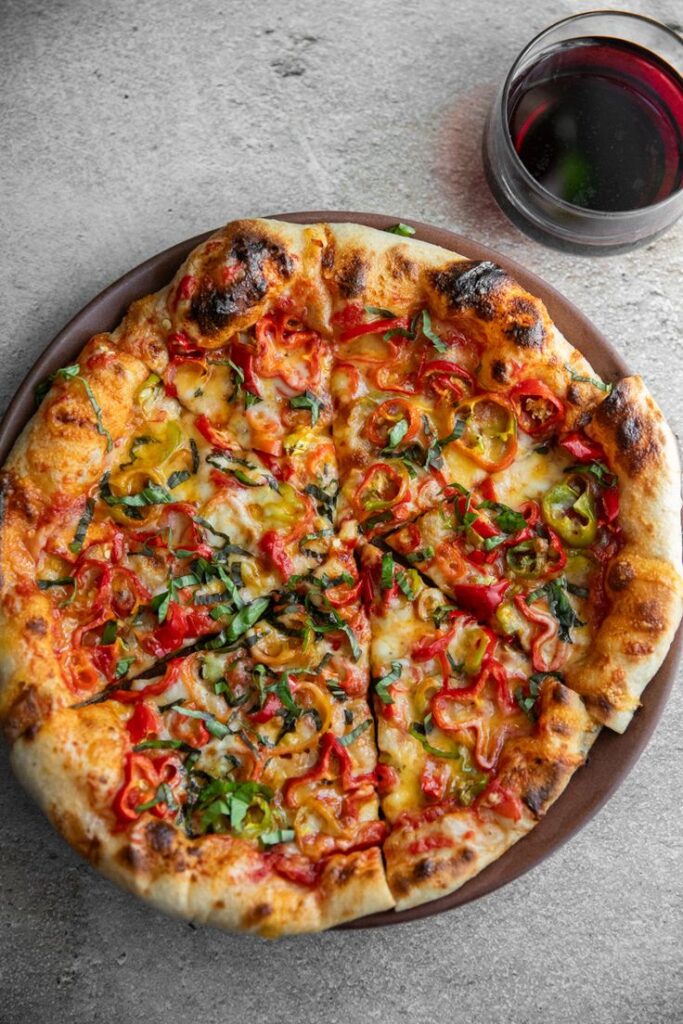
The cheese is rich, the sauce is sweet, and the crust is bready. There are a lot of soft flavors all hugging each other. Sometimes you need something to cut through all that fat. That is where the pepper comes in.
I remember this one night in a tiny shop in Boston. A buddy of mine ordered a pepperoni and mushroom with hot cherry peppers on top. I almost groaned. But he gave me a slice, and I swear it was like someone turned the lights on. The heat from the peppers just sliced right through the grease. It made the mushrooms taste earthier. I never looked back.
You know what is funny? People act like putting chilies on pizza is some wild, new trend. It is not. Southern Italian cooking has been using heat forever. Calabrian chilies are a staple over there. They do not shy away from spice. So when you add those little red peppers to your slice, you are not being extreme or weird. You are actually getting closer to the original roots of the dish. That is just a fact.
Now, I hear the arguments against it. People say they cannot handle the spice. Fair enough. Some peppers are brutal. But the solution is not to run away from hot peppers entirely. Just use the right kind. A few pickled pepperoncini rings? That is a gentle warmth. It is bright, a little tangy, and it will not set your mouth on fire. If you are a skeptic, start there. Put three little rings on your next slice. See what happens.
I promise you, life is way too short for pizza that does not ask anything of you. Plain is easy. The plane is safe. But a slice with hot peppers? That slice demands you actually taste it. And that is a meal worth showing up for.
References
Tewksbury, J. J., & Nabhan, G. P. (2001). Directed deterrence by capsaicin in chillies. Nature, 412, 403–404.
Caterina, M. J., et al. (1997). The capsaicin receptor: a heat-activated ion channel in the pain pathway. Nature, 389, 816–824.
Parasecoli, F. (2014). Al Dente: A History of Food in Italy. Reaktion Books.
Zanini, A., et al. (2015). Food habits and Mediterranean diet in Southern Italy. Nutrients, 7(12), 9879–9888.