
 Posted by
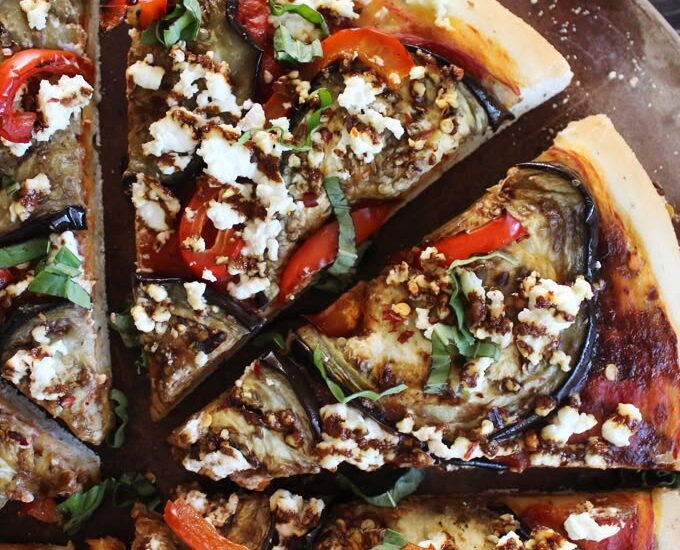
 I will admit something upfront: ratatouille pizza sounds like the kind of dish a food blogger invents just to justify a fancy photo shoot. I used to think that too, honestly. It felt like one of those recipes that looks incredible on Instagram but would probably fall apart the second you tried to eat it. Then I actually went and made one. And now? I am genuinely annoyed that it took me this long to figure out that a Provençal vegetable stew and pizza dough were always meant to meet. It is one of those happy accidents in the kitchen that you did not see coming.
Before we get into the nitty-gritty, let us talk about where this whole ratatouille thing comes from. It is younger than most people assume. The dish we recognize today, with that beautiful arrangement of eggplant, zucchini, tomatoes, and peppers, does not show up clearly in print until the early twentieth century. The name itself predates the standardized recipe by more than a century, and back then, it referred to a rough stew that was sometimes eaten by soldiers and prisoners.
That is a far cry from the refined, almost artistic dish Remy prepares in the Pixar film. I mention this because I think it frees us from any obligation to treat the dish as sacred. If ratatouille itself is a relatively modern consolidation of Provençal ingredients, then a pizza version is not a betrayal of tradition. It is simply the next logical iteration, and that is a comforting thought when you are about to put something unconventional on a pizza stone.
This whole experience taught me that the best recipes are often the ones that are not afraid to break a few rules. Now, I learned the hard way that the vegetables need to be roasted, not stewed, before they go on the pizza. This is the single most important technical decision in the whole recipe, and I will not compromise on it. I tried the shortcut once, thinking I could save time by just sautéing everything quickly.
Let us just say it was a soggy disaster. Stewed ratatouille carries too much moisture for a pizza crust to survive contact. It will turn your beautiful, crisp crust into a wet plank by the time it reaches the table, and nobody wants that. Roasting the eggplant, zucchini, peppers, and tomatoes separately concentrates their flavor and drives off that excess liquid. It is a little more work, sure, but the payoff is a crust that stays crispy and a topping that is intensely flavorful.
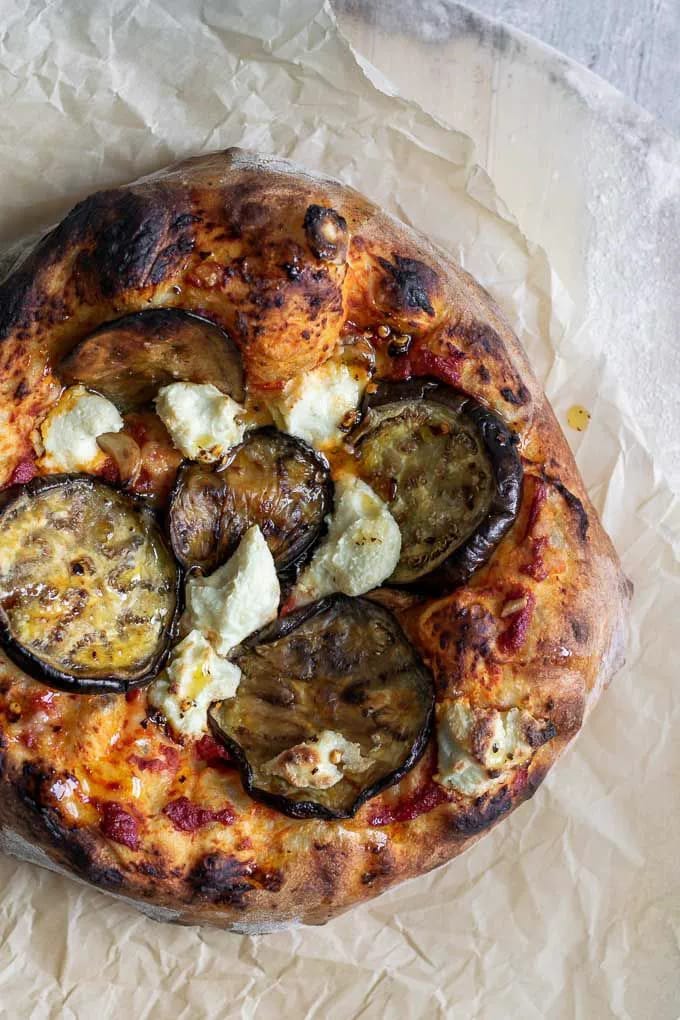
Speaking of flavor, let us talk about the balsamic reduction because this is where the pizza earns its personality. A quality balsamic, simmered down until it coats the back of a spoon, brings a sweetness and acidity that ratatouille alone simply does not have. It is the kind of restaurant-quality sauce that feels fancy but is surprisingly easy to make at home. You have to drizzle it after the pizza comes out of the oven, never before.
Baking a balsamic reduction burns off the very sugars that make it worth using in the first place. It is a finishing touch, not a cooking ingredient, and treating it with respect makes all the difference. And then there is the goat cheese. For me, goat cheese is non-negotiable, and I say that as someone who rarely takes an absolute position on cheese. Mozzarella disappears under roasted vegetables; it just gets lost in the mix.
Goat cheese, crumbled rather than melted into a full layer, adds a tang that cuts through the sweetness of the balsamic. It keeps every bite interesting instead of cloying. That creamy, tangy bite against the sweet, roasted vegetables and the sweet-sour balsamic is just perfection. It is a balance of flavors that feels sophisticated without being pretentious.
I cannot forget the herbs. Herbes de Provence, that classic regional blend of thyme, rosemary, savory, and oregano, should season the vegetables before roasting. Do not just sprinkle them on at the end. I learned this the hard way after producing a pizza that tasted like dried herbs sitting on top of vegetables rather than herbs that belonged to them. When they roast with the vegetables, the herbs infuse into every single piece, making the flavor more cohesive and authentic.
If you enjoyed my earlier piece on arugula as a finishing green, you might like this too: a small handful scattered over this pizza after baking adds a peppery contrast that plays beautifully against the goat cheese. This is not a dish for a rushed weeknight, and I think that is precisely the point. It rewards patience, and in a world of thirty-minute meals, there is something deeply satisfying about slowing down and making something that requires a little more of your time. It is a pizza that tells a story, from the fields of Provence to your own kitchen. The next time you have a free afternoon, give this a shot. I promise it will be worth the wait.
References
The Editors of Encyclopaedia Britannica. (2026, June 19). Ratatouille. Encyclopaedia Britannica. https://www.britannica.com/topic/ratatouille
Wikipedia contributors. (2026, June 19). Ratatouille. Wikipedia. https://en.wikipedia.org/wiki/Ratatouille
National Geographic. (2023, May 12). Deconstructing ratatouille. https://www.nationalgeographic.com/travel/article/deconstructing-ratatouille