
 Posted by
 I want to make a case for ricotta cheese. Not because it is some fancy, artisanal thing that needs defending. Honestly? I think it quietly does more work than almost any other ingredient in my kitchen, and yet it gets a fraction of the credit. People love talking about mozzarella stretching on a pizza, or parmesan crumbling over pasta, or even burrata with that dramatic oozy center.
But ricotta? It just sits there in its little plastic container, waiting for someone to notice it. Have you ever stopped to think about that? So let me be the one to notice it. I remember the first time I really used ricotta as more than an afterthought. I was making a lasagna for some friends, and the recipe called for a ricotta and spinach mixture. I almost skipped it.
I thought, why bother? Mozzarella is the star, right? But I followed through, and when that lasagna came out of the oven, something clicked. The ricotta had turned creamy and light, almost like a secret layer of silk between the noodles. Everyone asked what made it so good. That was the moment I realized I had been underestimating this cheese for years.
Let me explain the magic behind it, because the name itself tells you something important. Ricotta means “recooked” in Italian. Traditional ricotta cheese is made from the whey that is left over after producing other cheeses like mozzarella or provolone. That whey gets heated again, and the proteins that remain coagulate into soft, delicate curds.
I love that idea of a second chance ingredient, do not you? What you end up with is something mild, slightly sweet, and incredibly versatile. This underrated cheese works in both sweet and savory dishes, from lasagna to pancakes, and it is time you gave it a chance. Seriously, I cannot overstate how useful that is in a busy kitchen.
What I find genuinely impressive is how ricotta refuses to stay in one lane. It is not a one-trick pony. It works in savory dishes. It works in sweet ones. And it does not demand a lot of fussing from you. I stuffed it inside pasta shells with spinach and a pinch of nutmeg, and it became the quiet backbone of a classic lasagna or manicotti.
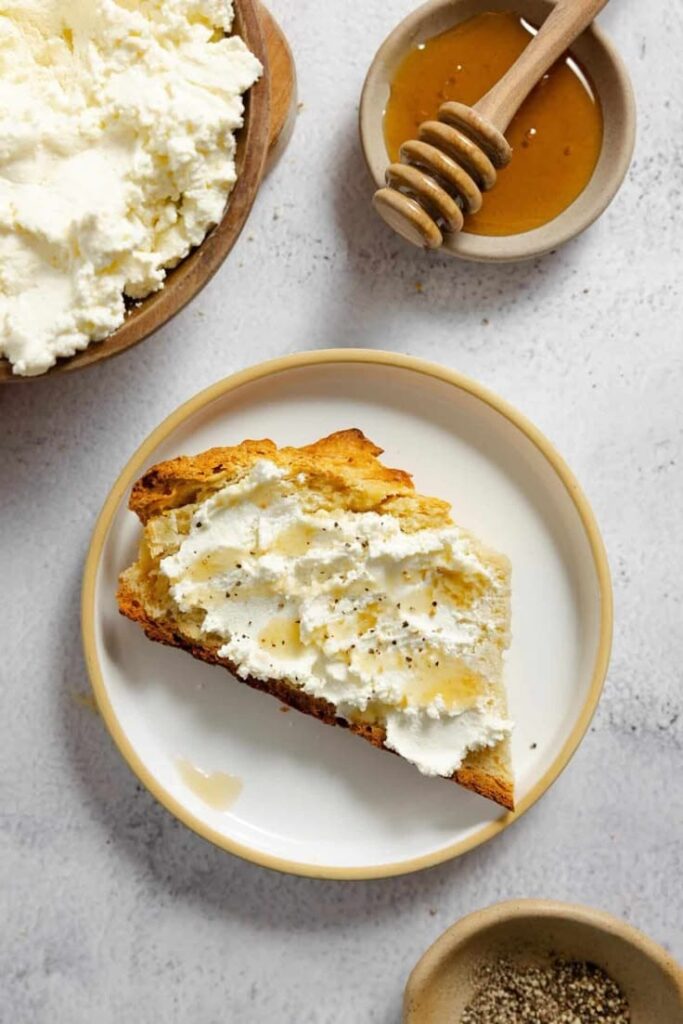
I have also spread it on toast with a drizzle of honey and a handful of walnuts, and suddenly I had a breakfast worth waking up for. There was even a weird Tuesday morning when I folded ricotta into pancake batter, and the texture turned into something light and almost cloud-like. My kids did not say a word. They just ate three pancakes each. That is a win.
I am not a dietitian or anything. But I do pay attention to what I am putting into my body, and ricotta holds up really well here too. It is a solid source of protein and calcium. Compared to heavier cheeses like cheddar or cream cheese, ricotta tends to be lower in sodium.
Whole milk ricotta is rich and satisfying, my personal favorite but part-skim versions still deliver plenty of creaminess without as much saturated fat. What I appreciate most is that ricotta does not make you feel like you are compromising. You are not trading flavor for health. It just works. Have you ever noticed how rare that is?
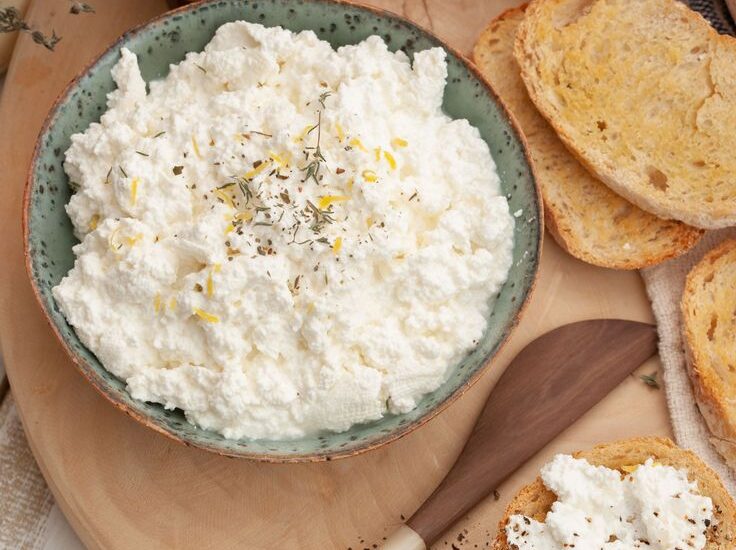
So Why Do People Overlook It? Here is my honest opinion. Ricotta is the most underrated cheese in most home kitchens, and the reason is purely aesthetic. It does not photograph dramatically. It does not have the stretch of mozzarella or the sharp tang of aged cheddar. It just sits there looking pale, a little lumpy, and completely unassuming. But cooking is not a photo contest, right?
Once you stop judging ricotta by its appearance and start judging it by what it actually does to a dish, the reputation catches up quickly. I will give you an example. Last month, I made a simple weeknight pasta with tomato sauce. Nothing special. But instead of parmesan on top, I plopped a spoonful of ricotta right in the middle of each bowl. It melted into the sauce and turned it creamy and pinkish-orange. My partner asked what I did differently.
That is the power of ricotta. It upgrades without showing off. Do not overthink this. Buy a good-quality container of whole milk ricotta this week. Not the low-fat kind for your first try; you want the real texture. Then just experiment. Spread it on toast with a little salt and pepper. Stir it into scrambled eggs near the end of cooking. Use it as a dip for raw vegetables with some lemon zest mixed in.
Or do what I did last night: dollop it onto a pizza right after it comes out of the oven. The residual heat warms it without melting it completely, and you get these cold, creamy pockets against hot, crispy crust. For more ideas, you can check out this reference link on creative ricotta uses.
I am telling you, ricotta has been doing quiet, excellent work for centuries. It is time more people said so out loud. Do not let it sit in the back of your fridge, forgotten behind the yogurt and leftover takeout. Give it a chance. I suspect you will be surprised by how often it becomes exactly the right answer. And is not that the best kind of ingredient to have around?
References
Kindstedt, P. S. (2012). Cheese and Culture: A History of Cheese and Its Place in Western Civilization. Chelsea Green Publishing. https://www.chelseagreen.com/product/cheese-and-culture/
U.S. Department of Agriculture, Agricultural Research Service. FoodData Central: Cheese, ricotta, whole milk. https://fdc.nal.usda.gov/fdc-app.html#/food-details/170851/nutrients
Manoni, M., et al. (2020). “Ricotta cheese: Nutritional composition and production technology.” Journal of Dairy Science. https://www.journalofdairyscience.org/article/S0022-0302(20)30456-3/fulltext
Fox, P. F., et al. (2017). Fundamentals of Cheese Science. Springer. https://link.springer.com/book/10.1007/978-1-4899-7681-9