
 Posted by
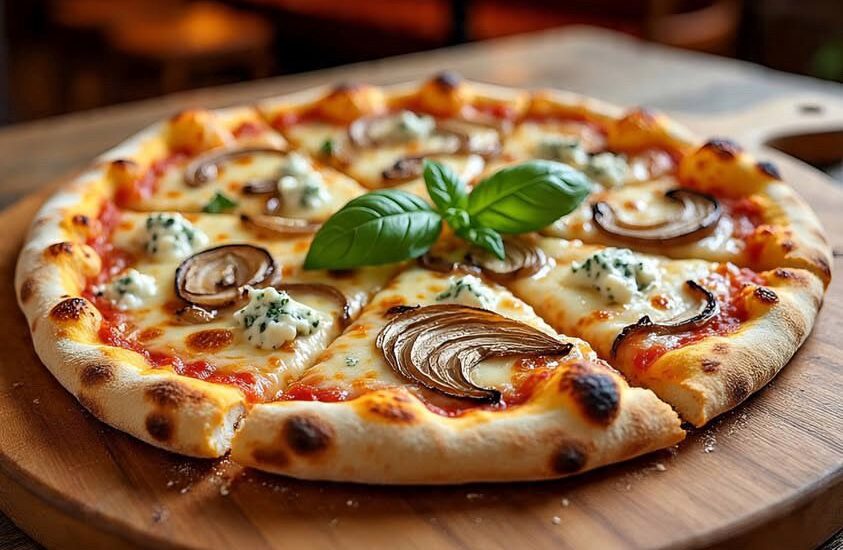
 Discover why caramelized onion and gorgonzola pizza is the bold, sweet-savory gourmet pizza topping combination truly worth mastering in your own kitchen. My earliest pizza memories are all mozzarella, red sauce, and maybe some pepperoni if we were lucky. So the first time I encountered a caramelized onion and gorgonzola pizza, I remember standing at the counter of a small pizzeria, genuinely unsure whether I was making a terrible mistake. The combination felt risky, almost unnecessarily fancy. I ordered it anyway, and I have not really looked back since.
What makes a caramelized onion and gorgonzola pizza so compelling is the way the flavors work against each other without ever canceling each other out. Gorgonzola, that deeply pungent Italian blue cheese, brings a sharp and earthy intensity that could easily overwhelm a less confident ingredient.
But caramelized onions are not a less confident ingredient. When you cook onions low and slow, and I mean genuinely slow, not the ten-minute version that some recipes try to pass off, they shed their sharpness entirely. They become soft, jammy, and almost honey-like in sweetness. That sweetness meets the bold funk of the gorgonzola and creates something neither ingredient could produce alone.
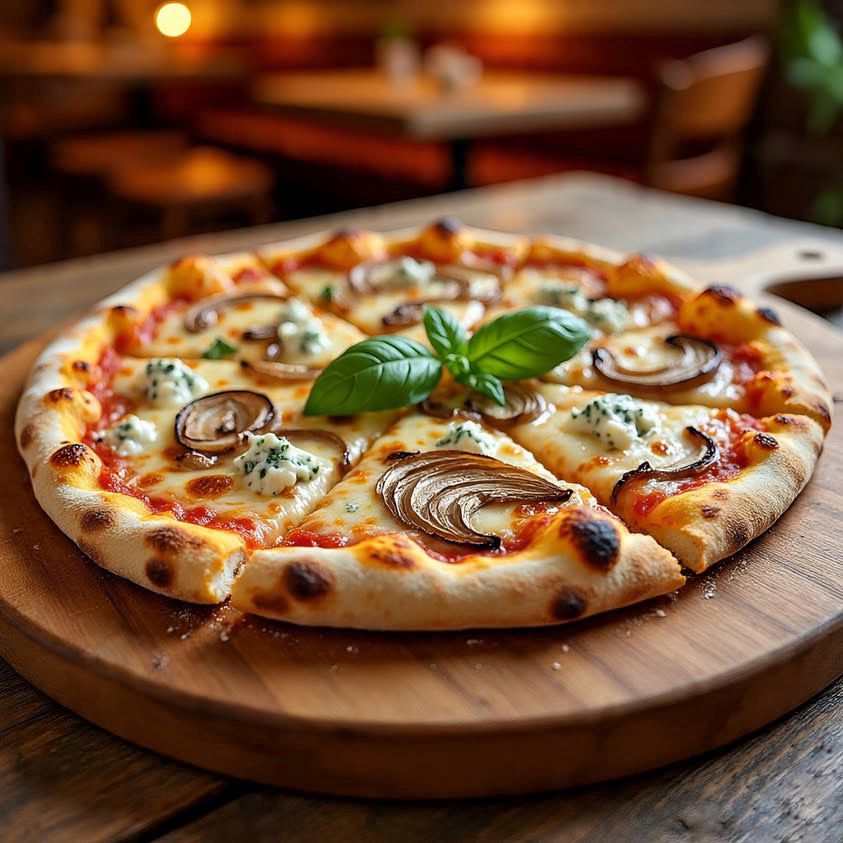
Over at Pizzapedia, I spend a lot of time thinking about what makes a great pizza topping combination. The classics earn their reputation, certainly. But the more I explore gourmet pizza recipes, the more I am convinced that some of the most interesting combinations live in that tension between sweet and savory. A caramelized onion and gorgonzola pizza sits right at that intersection, and it does so with a kind of confidence that I find genuinely admirable. The flavors are not subtle. They do not whisper. They arrive at the table and make themselves known.
Making this pizza at home requires patience more than skill, and I say that as someone who once tried to rush the onions and deeply regretted it. You need a wide pan, low heat, and probably forty-five minutes that you were not planning to spend standing at the stove. Slice the onions thinly, use a generous amount of butter or olive oil, and resist every urge to turn up the heat.
The sugars in the onion need time to break down properly. Rushing the process gives you something browned but still sharp, which misses the entire point. When they are done, they should be deeply golden, almost translucent, and intensely sweet. At that point, you have the foundation of something genuinely excellent.
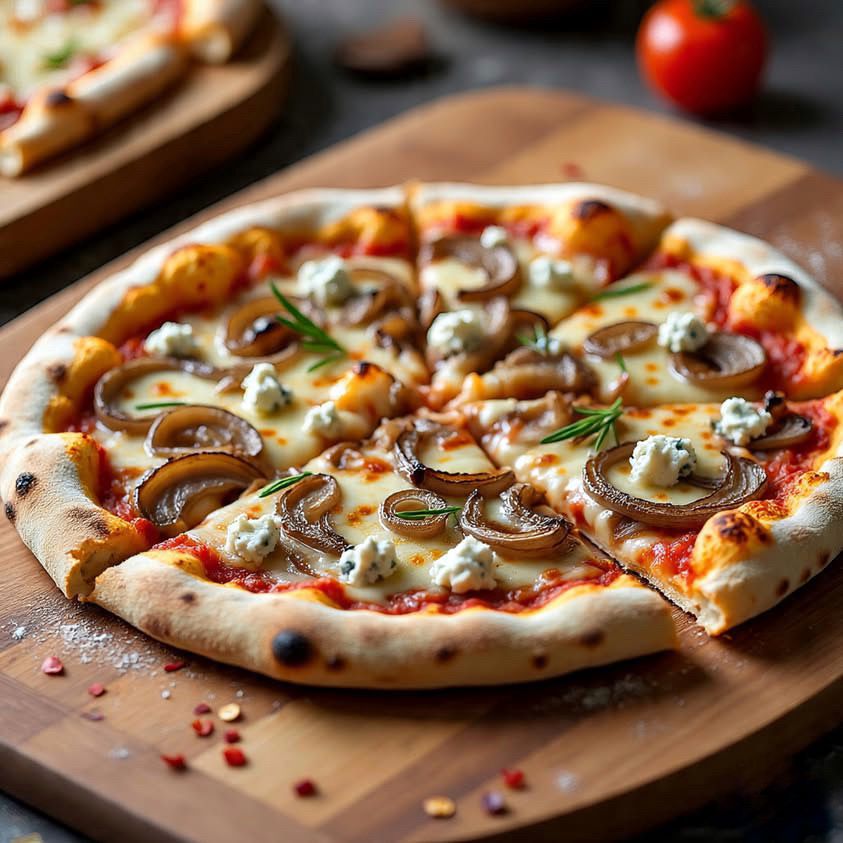
The gorgonzola selection matters more than people realize. There are two main styles: Gorgonzola Dolce, which is younger, creamier, and milder, and Gorgonzola Piccante, which is aged longer and carries a much more assertive, almost spicy sharpness. For a pizza recipe like this one, I tend to lean toward the Dolce variety because it melts beautifully and its gentler flavor lets the sweetness of the onions breathe. That said, if you are someone who enjoys a more intense blue cheese experience on your savory pizza, the Piccante version absolutely has its place. Either way, crumble it generously and do not be shy about coverage.
One thing I have experimented with extensively, and documented across several Pizzapedia posts, is the base sauce situation on a gorgonzola pizza. A traditional tomato sauce is a defensible choice, but I find it fights the other flavors in a way that muddies the final result. A white pizza base, either a thin layer of olive oil or a simple bechamel, tends to work far better. It creates a neutral canvas that lets the caramelized onion sweetness and the blue cheese sharpness do their work without interference. Some versions I have tried also add a smear of fig jam beneath the toppings, which sounds wildly indulgent but is, in fact, completely delicious.
A few additions that pair beautifully with this combination: walnuts, which bring a bitter crunch that plays off both the sweetness and the funk; fresh thyme, scattered on top just before serving; and a drizzle of good honey after the pizza comes out of the oven. That last one sounds odd, I know. But honey on a gorgonzola and caramelized onion pizza is one of those finishing moves that makes people at the table go quiet for a moment before they start asking for more. It ties the sweet and savory elements together in a way that feels almost too simple to work.
Reference
Aime, I., Smeets, P. A. M., & de Graaf, C. (2020). Sweet-savory taste interactions: Perceptual and hedonic integration in flavor combinations. Food Quality and Preference, 82, Article 103879. https://doi.org/10.1016/j.foodqual.2020.103879
Battistotti, B., Bottazzi, V., Piccinardi, A., & Volpato, G. (1994). Cheese: A guide to the world of cheese and cheesemaking. Facts on File.
Maga, J. A. (1978). Onion flavor chemistry and factors influencing flavor intensity. In G. Charalambous (Ed.), Phenomenon in food flavor chemistry (ACS Symposium Series, Vol. 75, pp. 25–36). American Chemical Society. https://doi.org/10.1021/bk-1978-0075.ch002