
 Posted by
 I have been obsessed with pizza for a long time, longer than I care to admit, and yet it took me years to truly appreciate what oregano does to a pizza. Not the blend of cheese. Not even the sauce. Oregano. That small, unassuming dried herb that most people shake over their slice without thinking twice is, in my opinion, one of the most underrated pizza herbs in the entire history of Italian American cooking. And I think it deserves a serious conversation. Discover why this bold, earthy seasoning has been a cornerstone of pizza tradition for centuries.
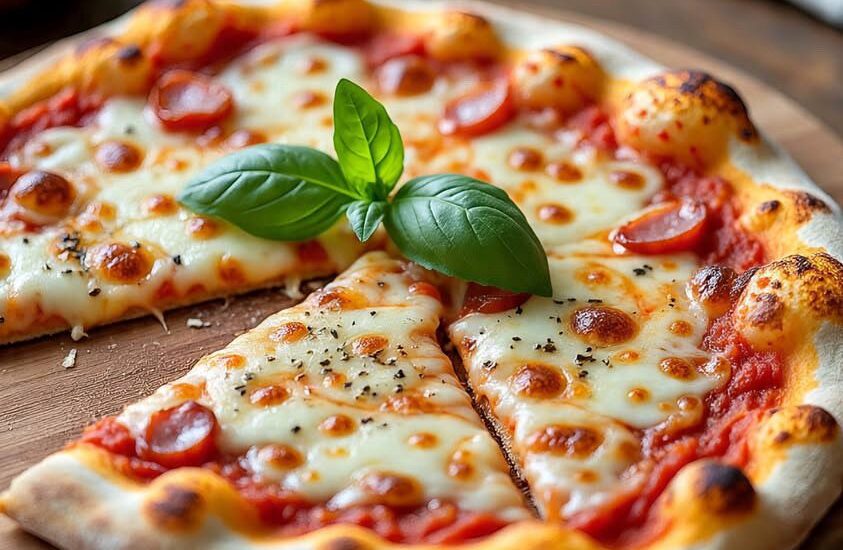
Let me back up. The first time I really noticed the flavor of oregano on pizza was at a small, no-frills pizzeria somewhere in the northeastern United States, the kind of place that has been operating out of the same storefront since the 1970s. The pizza was thin, slightly charred, and covered in a generous layer of that dried herb.
It hit differently than anything I had tasted before. There was this earthy, slightly peppery, almost floral quality that worked perfectly alongside the acidity of the tomato sauce and the richness of the mozzarella. I remember thinking: What is that? And then I realized it was something I had been ignoring my entire life.
Oregano (Origanum vulgare) is native to the Mediterranean region, and its connection to pizza goes back centuries in Italian cooking tradition. In Italy, particularly in Naples, where Neapolitan pizza originates, oregano is considered a foundational pizza herb, not an afterthought.
The ancient Romans actually used oregano extensively in their cooking and even in medicine. Over time, as Italian immigrants brought their culinary traditions to the United States, oregano became a signature ingredient in American pizza culture. The dried variety, in particular, became deeply embedded in the flavor profile of classic pizza in ways that fresh oregano simply cannot replicate.
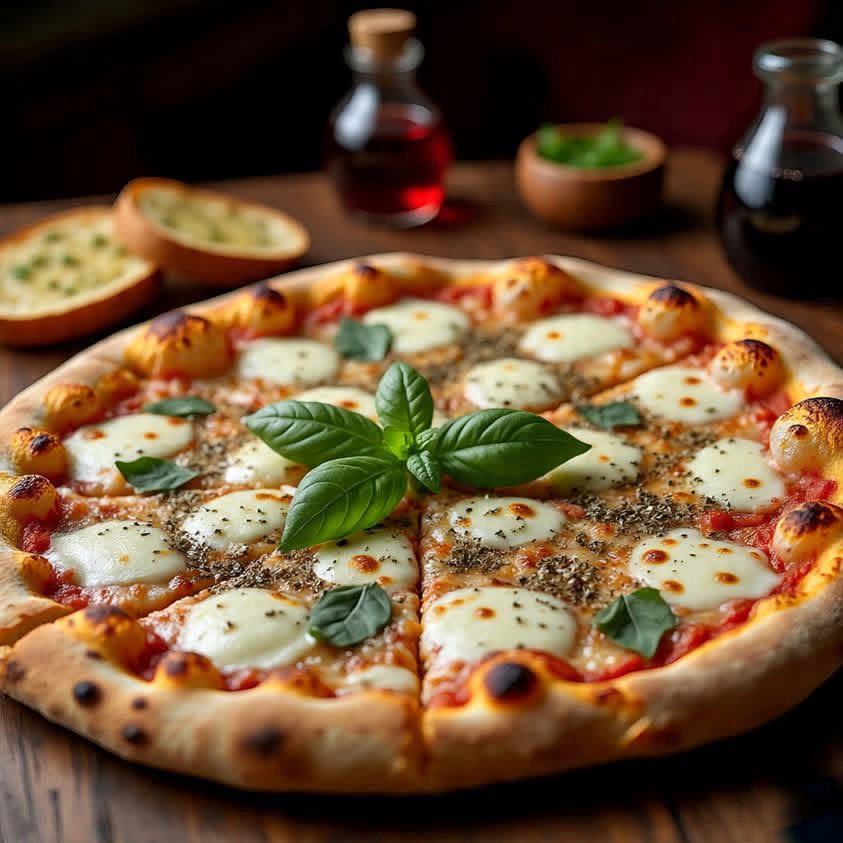
This is a point worth expanding on. Dried oregano and fresh oregano behave completely differently on a pizza. Dried oregano, when applied before or during baking, releases its essential oils under high heat and infuses the pizza sauce, the crust, and the cheese with its intense, herbal character. Fresh oregano, by contrast, is better used as a finishing herb scattered over the pizza after it comes out of the oven. Both have their place, but if you are asking me which one defines the classic pizza experience, it is dried oregano every single time. The depth of flavor it delivers is irreplaceable.
Now, I am not saying that people are wrong for not thinking about oregano much. Pizza is a complex food. A lot is going on with the dough fermentation, the sauce seasoning, the cheese blend, and the toppings. It is easy for herbs to get lost in the conversation. But here at Pizzapedia, we believe that understanding every ingredient on your pizza is part of what makes you a better pizza appreciator. And oregano, as a pizza seasoning herb, genuinely shapes the character of the entire slice.
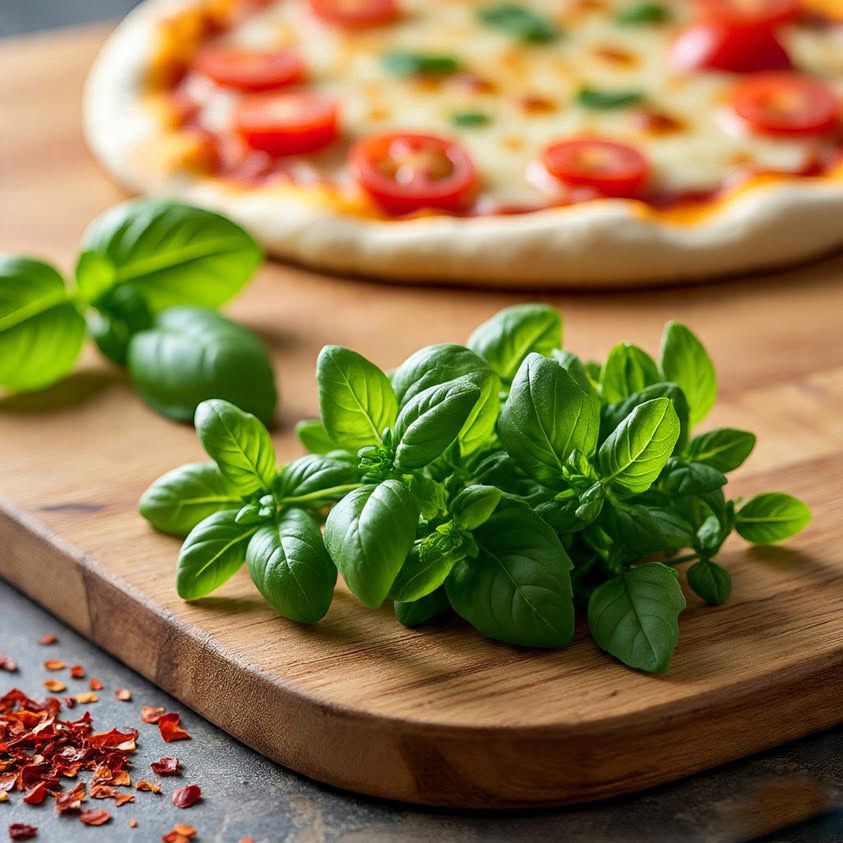
What does oregano actually taste like? People describe it in different ways. Warm, slightly bitter, earthy, peppery, with a faint camphor-like quality that gives it its distinctive punch. It pairs naturally with garlic, olive oil, tomato, and basil, basically the core flavor components of Italian pizza. The reason oregano works so well on pizza is partly chemistry.
The compound carvacrol, which is one of the primary aromatic compounds in oregano, has a bold, savory quality that enhances the umami notes in tomato-based sauces. When you combine that with the saltiness of good mozzarella and the char from a hot oven, you get a flavor harmony that is genuinely hard to beat.
I have tried making pizza without oregano, just to see what happens. The result is fine. Perfectly edible. But something is missing: warmth, depth, a sense of completeness. It is the culinary equivalent of a song without bass. You can hear the melody just fine, but there is no foundation holding everything together. That is what oregano does for pizza. It provides that foundation.
If you want to get more intentional about using oregano on your homemade pizza, there are a few things worth knowing. Quality matters enormously. Fresh, aromatic dried oregano, ideally Greek or Italian in origin, makes a significant difference over the stale, flavorless stuff that has been sitting in a jar for three years. You will know good dried oregano by its smell: it should be potent and slightly sharp when you crush a pinch between your fingers. Apply it generously. A light dusting is not enough. Pizza is not the place for timidity.
Reference
Burt, S. A., & Reinders, R. D. (2003). Antibacterial activity of selected plant essential oils against Escherichia coli O157:H7. Letters in Applied Microbiology, 36(3), 162–167. https://doi.org/10.1046/j.1472-765X.2003.01285.x
United States Department of Agriculture. (2019). FoodData Central: Spices, oregano, dried. U.S. Department of Agriculture, Agricultural Research Service. https://fdc.nal.usda.gov/fdc-app.html#/food-details/171329/nutrients
United States Department of Agriculture. (2021). Herbs and spices: Safe handling practices for consumers. U.S. Department of Agriculture, Food Safety and Inspection Service. https://www.fsis.usda.gov/food-safety/safe-food-handling-and-preparation/food-safety-basics/spices