
 Posted by
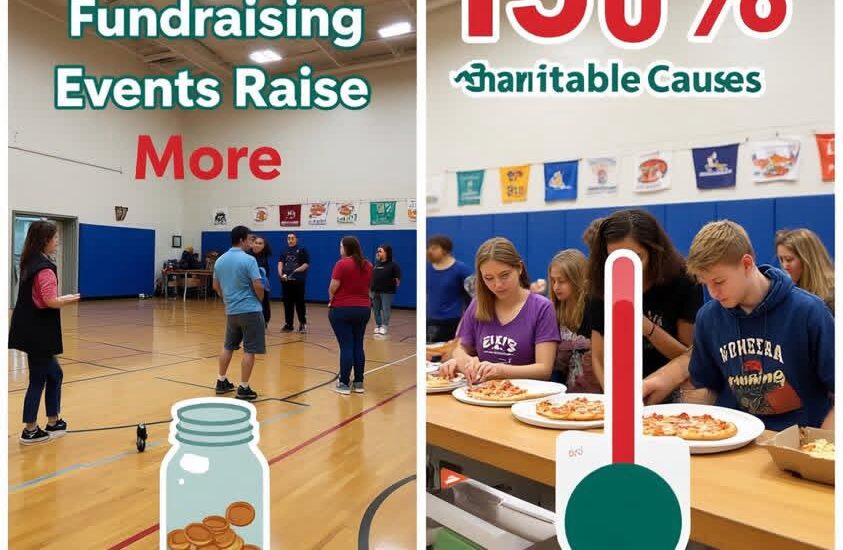
 Pizza fundraising events help charities raise more money by bringing communities together. Pizza and charity have always made for an unexpectedly powerful combination. I first noticed this at a local school fundraiser years ago, where a simple pizza night pulled in more donations than any bake sale or car wash the organization had ever attempted. People showed up, stayed longer than expected, and left with lighter wallets and fuller stomachs. It was one of those moments that made me think seriously about the role food plays in bringing communities together around a cause.
Pizza fundraising events have become one of the most popular and effective strategies for nonprofits, schools, churches, and community organizations looking to raise money without burning out their volunteers. The model is straightforward: host a pizza night, whether that means partnering with a local pizzeria, organizing a pizza-making event, or setting up a full-scale pizza fundraiser with ticket sales and donation drives. The mechanics can vary, but the results tend to speak for themselves. People love pizza, and that simple fact does a lot of the heavy lifting when it comes to driving attendance and participation.
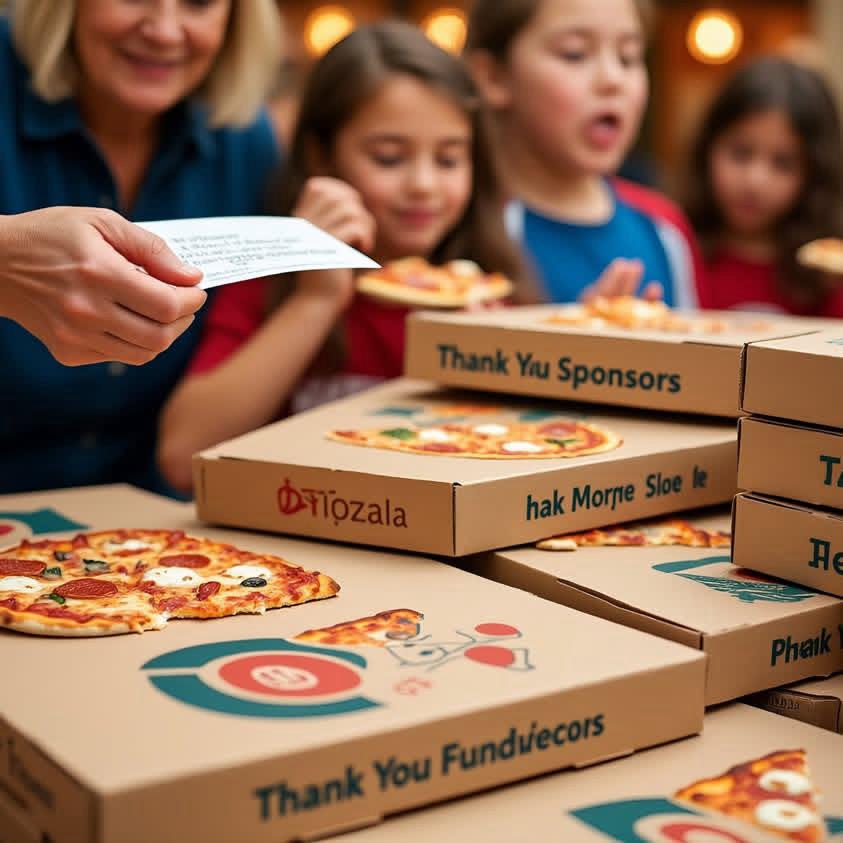
What makes pizza such a reliable centerpiece for charitable fundraising is its universal appeal. Think about it, how often do you hear someone say they do not like pizza? It crosses generational lines, satisfies a variety of dietary preferences when done thoughtfully, and carries none of the formality that sometimes makes traditional fundraising galas feel intimidating. A pizza fundraiser invites everyone to the table, literally. Families with kids, college students, older community members, even first-time donors who might feel uncomfortable at a black-tie dinner will show up for a casual slice and a good cause.
From a purely logistical standpoint, pizza is also one of the most cost-effective foods to serve at scale. Many pizzerias offer nonprofit discount programs or partnership deals specifically designed for fundraising events, which means organizations can stretch their charitable dollars further while still providing a satisfying experience for attendees. I have seen small nonprofits clear thousands of dollars in a single evening by partnering with a local restaurant that agreed to donate a portion of every pizza sold back to the cause. The restaurant gets visibility, the organization gets funds, and the community gets dinner. Everybody wins.
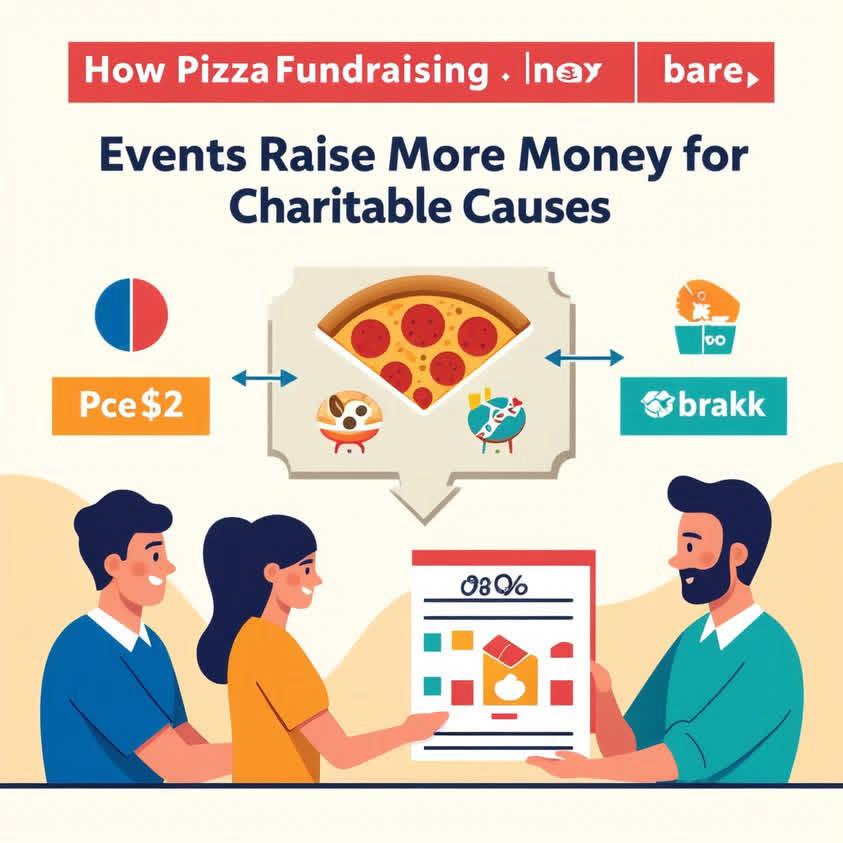
The pizza fundraiser format also lends itself well to creative variations that can increase both engagement and giving. Pizza-making classes hosted as fundraising events are particularly popular because they add an experiential element that plain ticket sales cannot match. Attendees pay to learn how to stretch dough, craft their own sauce, and experiment with toppings — and all of that activity happens in service of a charitable cause. I attended one such event for a literacy nonprofit where participants competed to create the most inventive pizza, with judges awarding prizes donated by local businesses. The room was loud, messy, and genuinely fun, and the donation totals at the end of the night reflected that energy.
Pizza nights also work exceptionally well as recurring fundraising events, which matters more than people often realize. Sustainability is one of the biggest challenges facing charitable organizations, and a fundraiser that people actually look forward to attending every few months is worth its weight in gold. Building a pizza fundraising event into an organization’s annual calendar creates a predictable revenue stream and helps foster the kind of ongoing donor relationships that turn one-time contributors into long-term supporters. It becomes part of the community’s rhythm, something people plan around rather than stumble upon.
Social media has made pizza fundraising events even more effective in recent years. A well-photographed spread of artisan pizzas, a behind-the-scenes video of volunteers assembling boxes, or a simple post tagging a local pizzeria partner can generate awareness and drive attendance far beyond whatever a flyer on a telephone pole might accomplish. The visual nature of pizza’s colorful toppings, bubbling cheese, and that perfect char on the crust translates beautifully to platforms like Instagram, and organizations that lean into that aesthetic tend to see stronger turnout and broader engagement with their charitable mission.
At its core, what makes pizza fundraising work is the same thing that makes any great fundraiser work: it gives people a reason to show up and a reason to care.
Reference
Dunbar, R. I. M. (2017). Breaking bread: The functions of social eating. Adaptive Human Behaviour and Physiology, 3(3), 198–211. https://doi.org/10.1007/s40750-017-0061-4
Fischler, C. (2011). Commensality, society, and culture. Social Science Information, 50(3–4), 528–548. https://doi.org/10.1177/0539018411413963
Gold, J. (2023). Nonprofit fundraising and social identity. Engaged Management Review, 6(2). https://commons.case.edu/cgi/viewcontent.cgi?article=1110&context=emr