
 Posted by
 Learn how plant-based pizza, food technology, and sustainability are reshaping the global food industry and society at large. I have been obsessed with pizza for most of my adult life. I remember the first time I watched a Neapolitan pizzaiolo stretch dough by hand at a small trattoria in Naples, the way the disk of flour and water seemed to almost float in the air before landing perfectly on the peel. That moment stuck with me, and it is part of why I started writing about pizza in the first place. But lately, I find myself thinking less about where pizza has been and more about where it is going. The future of pizza is a genuinely fascinating subject, and I do not think enough people in the food industry are paying close attention to it.
Pizza is already one of the most consumed foods on the planet. Global pizza market revenue is projected to keep climbing well into the next decade, driven by a combination of urbanization, shifting dietary habits, and the simple, universal appeal of a well-made pie. But the forces reshaping pizza innovation go far beyond market share numbers. What is happening right now in pizza kitchens, food labs, and plant-based startups represents a quiet revolution in how we think about food production, ingredient sourcing, and even cultural identity.
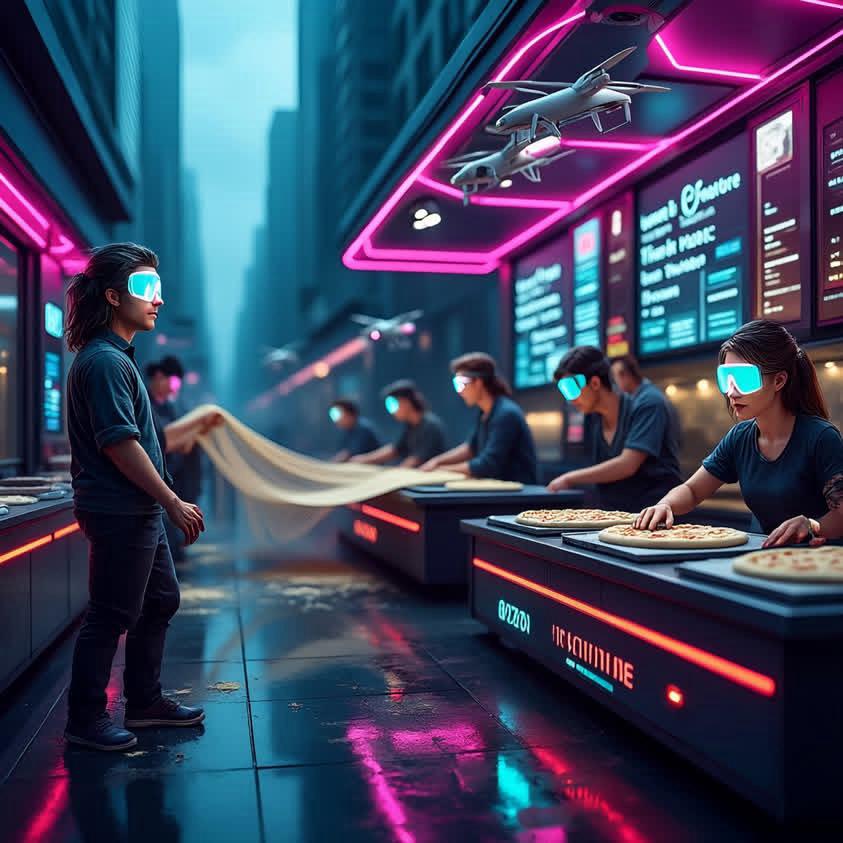
One of the most striking trends I have noticed through my work on Pizzapedia is the rise of alternative pizza doughs. For decades, the conversation about pizza dough centered on hydration ratios, fermentation times, and flour protein content. Those conversations still matter. I am not discounting them, but now there is a parallel conversation happening about cauliflower crusts, chickpea bases, almond flour alternatives, and even fermented cassava doughs. Some of these are driven by dietary restrictions, sure. But others reflect a genuine culinary curiosity about what pizza can become when you remove the assumption that wheat flour is the only foundation worth building on. The future of pizza dough is going to look radically different, and I think that is exciting rather than threatening.
Plant-based pizza toppings represent another seismic shift on the horizon. I have tried more plant-based pepperoni and mozzarella alternatives in the past two years than I care to count, and while the results have been uneven, the trajectory is clear. Food technology companies are getting much better at replicating not just the flavor of meat and dairy but the texture and the way they behave under heat. Anyone who has ever watched a slice of low-moisture mozzarella bubble and brown in a 700-degree wood-fired oven knows that the physics of melting cheese are not trivial to replicate. But they are being replicated, slowly and then all at once. The impact on the food industry will be enormous, touching supply chains, dairy farming economics, and the livelihoods of people who have never eaten a pizza in their lives.
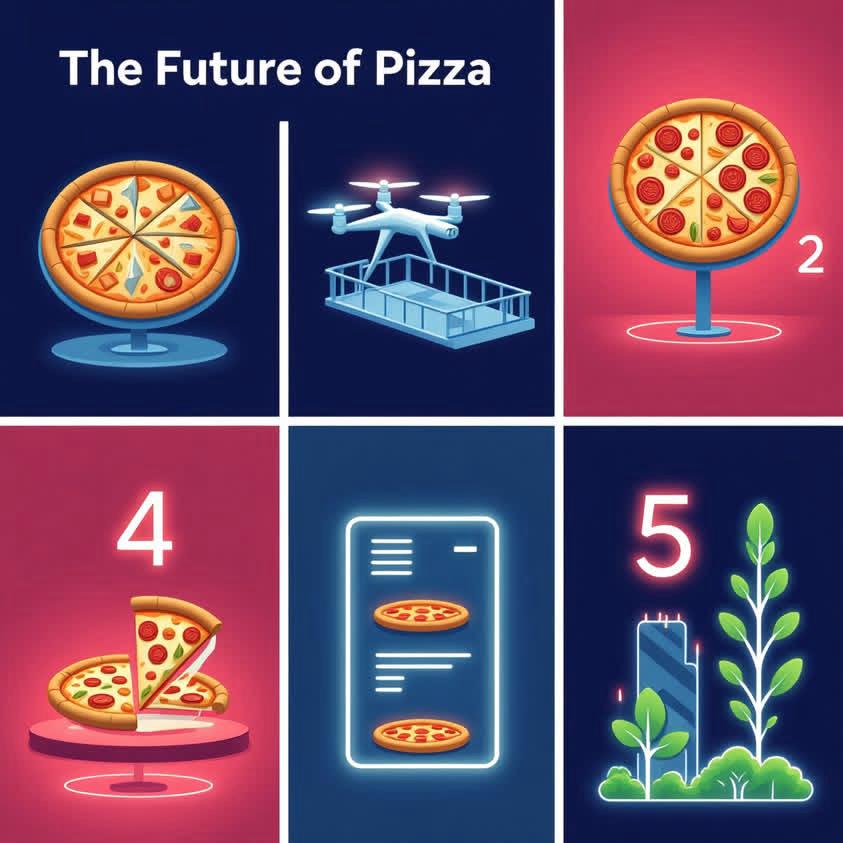
Then there is the question of pizza and technology, which I think is underappreciated in food writing. Automated pizza-making robots are no longer a novelty or a gimmick. Several restaurant chains and ghost kitchen operations are already deploying robotic systems that can stretch dough, apply sauce, place toppings, and manage oven timing with a consistency that human labor struggles to match at scale. I have mixed feelings about this, honestly. Part of what I love about great pizza is the human touch, the judgment calls a skilled pizzaiolo makes about when the dough is ready, when the oven is at the right temperature, when a pie needs another thirty seconds. Can a machine learn that? Maybe. But the implications for employment in the food service industry deserve serious scrutiny, and I do not think food writers or policymakers are having that conversation loudly enough.
From a societal standpoint, the future of pizza also intersects with deep questions about food justice and access. Pizza, at its best, is an affordable, nutritious meal. But as ingredient costs rise and specialty pizza commands premium prices in urban markets, there is a risk that the food becomes stratified in ways that mirror broader economic inequality. I think about this when I write about artisan pizza flour or imported San Marzano tomatoes; those things matter to quality, but they also carry a price tag that excludes a significant portion of the people who love pizza. The food industry has a responsibility to think about how innovation reaches everyone, not just people who can afford a forty-dollar pie.
Sustainability is perhaps the most urgent dimension of pizza’s future. Pizza production, at an industrial scale, has a meaningful carbon footprint. Cheese production alone is notoriously resource-intensive, and the global logistics of moving ingredients from farms to distribution centers to restaurant kitchens add up. I believe the next generation of pizza culture will be defined in part by how seriously the industry takes local sourcing, reduced food waste, and sustainable packaging. Some independent pizzerias are already leading on this front, and their work deserves recognition.
Reference
Aiking, H., & de Boer, J. (2020). The next protein transition. Trends in Food Science & Technology, 105, 515–522. https://doi.org/10.1016/j.tifs.2018.08.001
Food and Agriculture Organization of the United Nations. (2019). The state of food and agriculture: Moving forward on food loss and waste reduction. FAO.
Food and Agriculture Organization of the United Nations. (2021). Food systems summit brief: Sustainable food systems and the environment. FAO.