
 Posted by
 Let me just start with a confession. I have eaten enough chain pizza in my life to probably build a small fort out of the cardboard boxes. Friday nights growing up? That meant a greasy box arriving at the door, sauce leaking into the lid, and these slices that were somehow both soggy and rubbery at the same time.
And honestly? I loved every bite. That memory is real, and I am not here to take it away from you. If you are searching for an honest take on the artisanal pizza vs. chain pizza debate without the usual food snobbery, you have come to the right place because I think both sides have some blind spots. Nostalgia is a powerful thing, right? It can make a mediocre slice taste like a hug from your past.
But here is where I start to squint a little. A lot of people defend chain pizza based on pure quality, and I think nostalgia is doing most of the heavy lifting there. Do not get me wrong. Chain pizza serves a purpose. It is fast, it is cheap, and it shows up. But the product itself? It is engineered for consistency, not flavor. The cheese blend is designed to melt a certain way and sit under a heat lamp without turning into a plastic sheet.
The sauce usually leans sweet to appeal to basically every human on the planet. And the dough? Oh, the dough gets rushed through proofing so fast that it never develops any real complexity. You lose all the good stuff that happens when flour, water, and time actually get to know each other. Then you have the other side of the artisanal pizza vs. chain pizza argument. The artisanal world. Look, I will be the first to admit that artisanal pizza gets too much grief from people who think it is overpriced or pretentious.
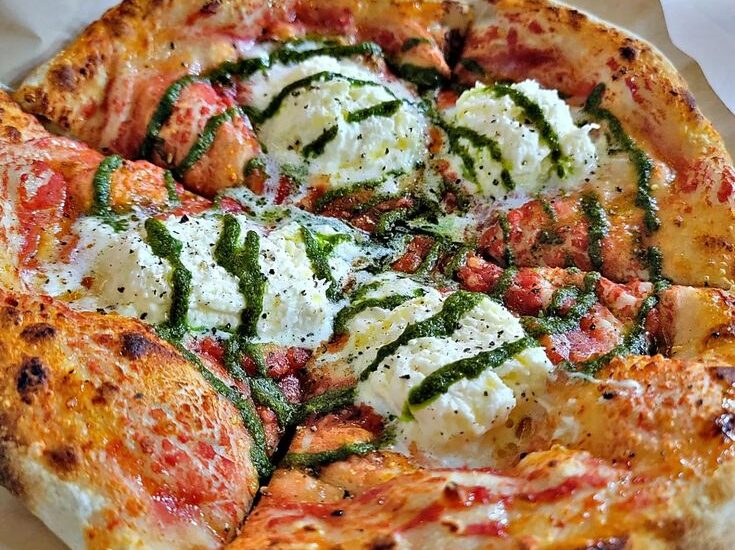
But have you had the real thing? I am talking about a place where the dough has fermented for two or three full days. Where the tomatoes are actual San Marzano, not just a can that says “San Marzano style.” Where the mozzarella might have been made that very morning. You can taste time in that pizza. The crust alone has layers of flavor that do not even need toppings. It is closer to bread-making as an art form than to fast food. I remember the first time I had a proper Neapolitan pie from a small spot with a wood-fired oven. I actually paused mid-chew.
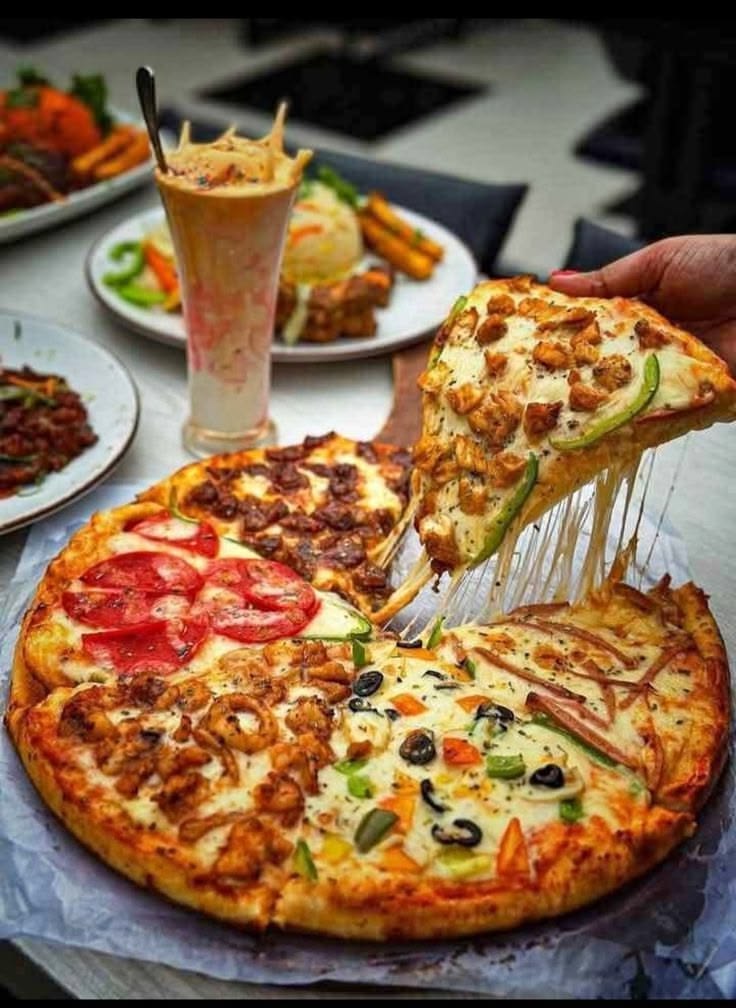
That sounds dramatic, I know. But the texture, the char, the chew? It was a completely different universe. Now, here is where the conversation gets real. The economic reality stings. A large chain pizza for under fifteen dollars can feed a whole family. An artisanal pie from a craft pizzeria might cost twice as much and feed half as many people. That matters. Writing off chain pizza completely ignores the fact that most of us are working with budgets and hungry kids and thirty minutes for dinner.
Consumer behavior research backs this up again and again. Price sensitivity and convenience drive most fast food decisions. It is not that people do not know the artisanal option is better. It is that they have to choose between better and feasible. That is a rational decision, not an ignorant one. So no guilt from me if you grab that chain box on a Tuesday night. But here is where I draw a hard line. Marketing. Chain pizza has spent decades positioning itself as the voice of legitimate pizza culture. They sponsor sporting events.
They embed themselves in your favorite TV broadcasts. They flood every advertising channel so heavily that independent pizzerias with zero marketing budget simply cannot compete. The playing field is not level. And that bugs me because smaller artisanal operations are out there doing incredible work, and most people never hear about them. When you can, throwing your support to an independent pizzeria matters beyond just your own dinner. You are helping keep genuine craft alive in your own community.
So what is my honest recommendation after all of this? Eat chain pizza when the situation calls for it. No guilt. No shame. But please, at least once, go find a serious artisanal pizzeria. Pay attention to the crust. Notice how it is not rubbery. Notice how the sauce actually tastes like tomatoes instead of sugar. The gap will surprise you. And if you want to dig deeper into the actual science of dough fermentation, I found a great resource from a baker who explains why time is the secret ingredient. You can check it out here.
At the end of the day, the whole artisanal pizza vs. chain pizza debate does not need a winner. It just needs you to know what you are actually eating. And maybe, just maybe, to spend your money somewhere that remembers that pizza started as craft, not a commodity.
Reference
Mariotti, M., & Lucisano, M. (2014). Fermented foods: Biochemistry and biotechnology. Journal of Cereal Science, 60(2), 466–469. https://doi.org/10.1016/j.jcs.2014.01.002
UNESCO. (2017). Traditional Neapolitan pizza-making. Intangible Cultural Heritage. https://ich.unesco.org/en/RL/traditional-neapolitan-pizza-making-01209
Gobbetti, M., De Angelis, M., Di Cagno, R., &
Rizzello, C. G. (2014). How the sourdough may affect the functional features of leavened baked goods. Food Microbiology, 37, 30–40. https://doi.org/10.1016/j.fm.2013.04.012