
 Posted by
 I have a confession to make. For years, I picked black olives off my pizza without a second thought. They seemed like fillers. Like something the chef threw on just to add color. Honestly, I thought they were there for looks. You know what I am talking about: those sad, canned rings that slide around on the cheese. I would flick them onto the side of my plate and feel perfectly fine about it.
Then something changed. I was at a small Greek restaurant with a friend who actually knows food. She ordered a meze platter with these big, wrinkly black olives that looked nothing like the ones I had ignored my whole life. I tried one just to be polite. And I swear, it was like someone turned on a light.
Discover why black olives deserve a spot beyond pizza toppings from surprising health benefits to bold flavors that can transform your cooking. Learn how to choose and enjoy them.
The flavor was briny but not aggressive. Buttery. Almost fruity underneath all that savory depth. I ate about ten of them before I realized I had just embarrassed myself in public. That moment sent me down a rabbit hole. I started reading about what black olives actually are, where they come from, and what they bring to a dish. And I have not looked back since.
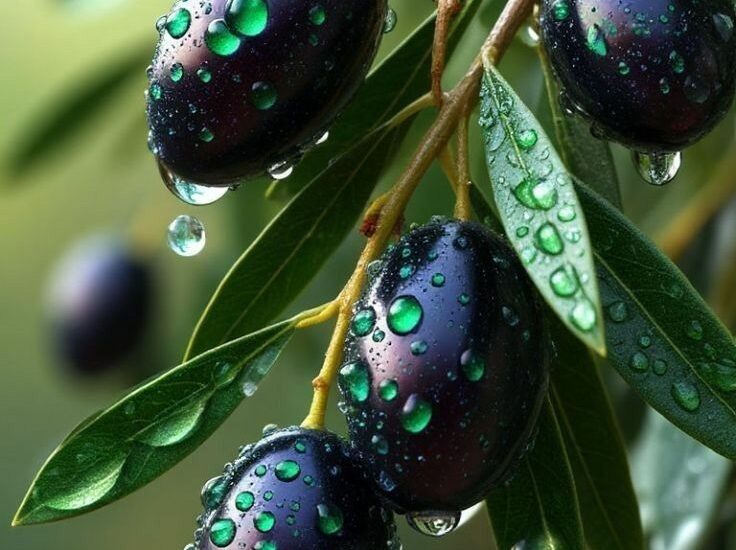
Let me clear up a confusion I had for way too long. A black olive is not a separate species from a green olive. It is simply an olive that has been allowed to fully ripen on the tree before harvest. The olive tree Olea europaea, if you want to get scientific, has been cultivated in the Mediterranean basin for more than six thousand years. Six thousand years. That is older than most empires. And yet we treat the ripened version like an afterthought.
That extra time on the branch changes everything. The flavor deepens. The texture shifts from firm and tight to something more tender. And the nutritional profile? Completely different from its younger green sibling. Most people never bother to appreciate this, and I do not blame them. We have been fed the wrong version for decades.
Here is where I get excited. Black olives are genuinely good for you. And I do not mean in that “eat your broccoli” kind of way. I mean they deliver real, measurable benefits that make you wonder why they are not sitting in your pantry right now.
First, they are loaded with oleic acid. That is a monounsaturated fat that has been linked to reduced inflammation and better cardiovascular health. Your heart literally thanks you when you eat these things. They also contain vitamin E, which your skin loves, plus iron and a whole range of polyphenols that act as powerful antioxidants.
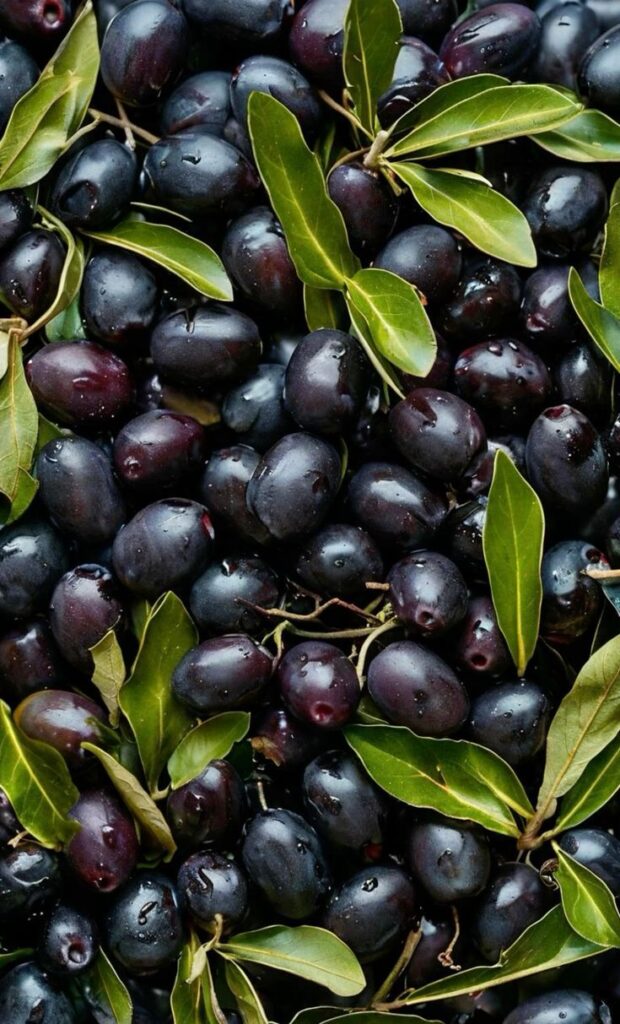
Now think about the Mediterranean diet. It consistently ranks as one of the healthiest ways to eat on the planet. And olives, especially black olives, are not treated as a garnish in that world. They are a cornerstone ingredient. There is a reason for that.
And here is something I learned that might surprise you: incorporating a handful of black olives into your weekly meals can support heart health, reduce oxidative stress, and add a satisfying savory note without the need for excess salt or processed fats. So why have we reduced them to pizza decoration? Honestly, I think it comes down to bad marketing and worse preparation. I need to be honest about something. Not all black olives are worth eating.
The canned California-style black olive you know the one, perfectly uniform, almost too dark, sitting in that weird salty liquid is actually harvested green. Then it gets chemically oxidized to turn black. The result is mild, soft, and frankly kind of boring. If you have only ever eaten that version, you have been working with a pale imitation. I know I was.
The real thing is completely different. A naturally ripened and cured black olive like a Kalamata, a Niçoise, or an oil-cured Moroccan variety has a depth of flavor that is hard to describe without sounding dramatic. It is briny but not aggressively salty. It has this buttery, almost fruity quality underneath all that savory punch. On a cheese board, tossed through a pasta, pressed into a tapenade, or served alongside roasted lamb, a good black olive does not just add flavor. It adds character.
Have you ever bitten into a properly cured black olive and just stopped for a second? That is what I am talking about. So here is my advice. Skip the canned aisle. Go to a deli counter or a specialty grocer. Look for olives that still have pits that are usually a sign they were handled with care. Try a Gaeta from Italy. Find some Ligurian olives. Ask for Moroccan oil-cured if you want something intense and wrinkly.
And then pay attention to what happens when you eat them. Do not just chew and swallow. Notice the texture. The way the brine hits the back of your tongue first, then the fruitiness creeps in.
I underestimated black olives for almost thirty years. That is a mistake worth correcting. The olive has earned its place at the table over thousands of years of human history. The least we can do is give it a fair chance. Next time you see a bowl of good black olives, do not pick around them. Dive in.
References
Gorzynik-Debicka, M., et al. (2018). Potential health benefits of olive oil and plant polyphenols. International Journal of Molecular Sciences, 19(3), 686.
Ghanbari, R., et al. (2012). Valuable nutrients and functional bioactives in different parts of olive. International Journal of Molecular Sciences, 13(3), 3291–3340. https://www.mdpi.com/1422-0067/13/3/3291
United States Department of Agriculture. (2023). Olives, ripe, canned. FoodData Central. https://fdc.nal.usda.gov/fdc-app.html#/?query=black+olives