
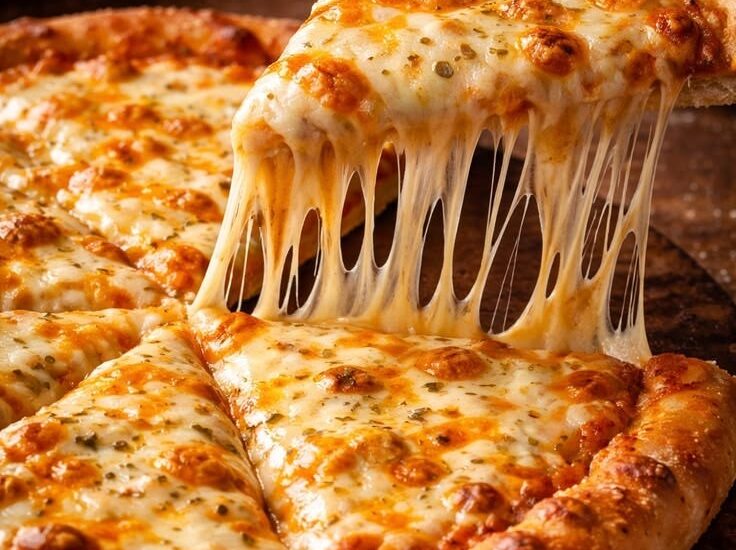
 Posted by
Calzones have always seemed like the sophisticated option to me. That golden folded pocket of dough with hot cheese hidden inside, no toppings threatening to slide off onto your lap. I have enjoyed plenty of them over the years and I will never turn one down. But when someone asks me which is the better everyday choice between calzones and pizza slices, I go with the slice every single time. And I have got some thoughts on why.
Let me start with what I genuinely appreciate about the calzone. It travels well, which matters more than people admit. You can eat it with one hand, the filling stays hot for what feels like forever, and that sealed crust keeps the ricotta and sauce from creating a disaster zone. For lunch on the go, that is a legitimate advantage. Sure, a pizza slice folded in half can do the same job, but it will drip, and I own the stained shirts to prove it.
Wondering how calzones and pizza slices actually compare nutritionally? The portion sizes tell a more interesting story than most people expect. I learned that lesson the hard way. Now here comes the part that genuinely surprised me when I started digging into the numbers. Branded entries in the USDA FoodData Central database list one grocery-chain calzone at 590 calories and 1,361 milligrams of sodium for a 240-gram serving (U.S. Department of Agriculture, n.d.).
A cheese pizza from that same chain comes in at 240 calories and 500 milligrams of sodium for a 115-gram serving. Gram for gram, these two foods are actually fairly close, at about 246 calories per 100 grams for the calzone and roughly 209 for the pizza. The real difference comes down to portion size. One calzone carries roughly the calories of two and a half pizza slices, and its sodium alone covers about 59 percent of the 2,300 milligram daily limit. That stopped me in my tracks.
That is really the heart of my argument about calzones versus pizza slices. A calzone arrives as a complete, sealed meal, and almost nobody tears one in half and saves the rest for later. A pizza slice is an honest unit of food. You can have one, or two, or three, and you know exactly what you ate. Federal dietary guidance tells people to limit highly processed foods and keep saturated fat under 10 percent of daily calories (Elsayed & Nelson, 2026), and a smaller, visible portion makes that easier to follow than a pocket stuffed with cheese. I think about this every time I reach for a second slice.
Calzone defenders will say the filling is the whole point, and I agree that a well-made calzone with spinach, ricotta and a little sausage is genuinely delicious. They will also argue that the crust-to-filling ratio beats a pizza slice, and that the sealed dough keeps everything moist. Both claims are true. I just do not think those strengths outweigh the portion problem for most people on most days. Do those advantages really matter when you are accidentally eating two and a half slices worth of calories in one sitting?
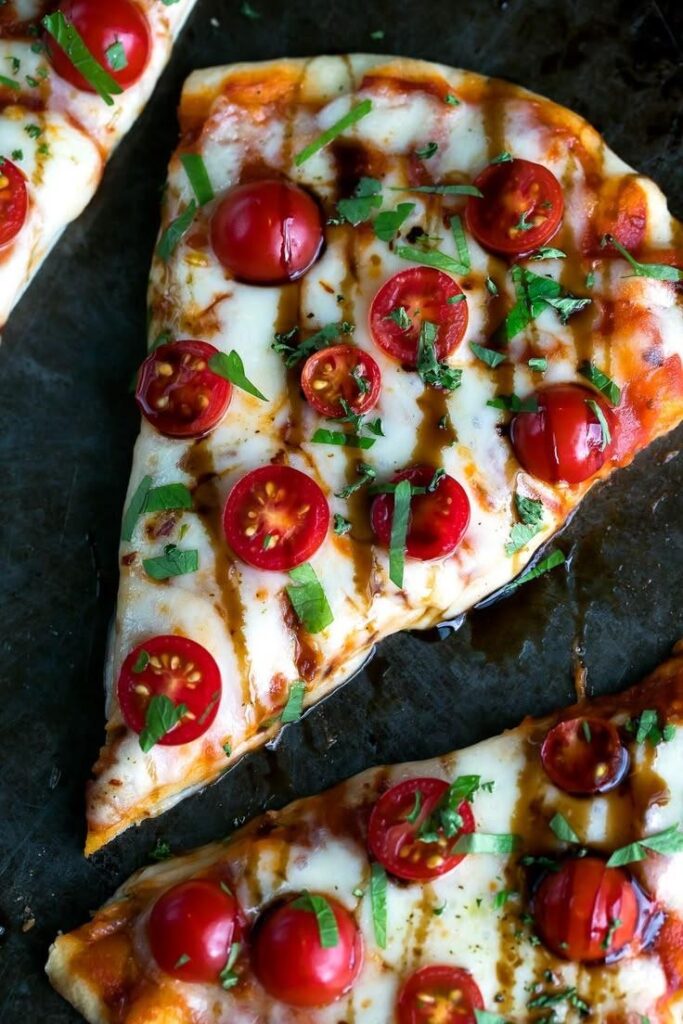
There is a practical middle road here, and I use it myself. If I crave a calzone, I split it with a friend and add a salad, so the meal includes vegetables instead of just dough and cheese. If I order pizza, I start with one slice, wait ten minutes, and see how I feel. Neither rule is complicated, and both keep the food enjoyable without turning dinner into a math problem.
Looking for more pizza thinking? Our piece on specialty pizza recipes has plenty of topping ideas that work beautifully on a slice, and the mushrooms on pizza article helps if you want a lighter option. These resources have changed how I approach my weekend pizza nights.
So my verdict on calzones vs pizza slices stands. The calzone is a fantastic treat, but the slice is the smarter default for everyday eating. Try both side by side this weekend and let me know whether the pocket or the triangle wins your vote.
And honestly, I think the bigger lesson here goes beyond pizza entirely. It is about paying attention to what actually lands on your plate.
I spent years assuming a calzone was the lighter choice simply because it felt more contained, more civilized somehow. The numbers told a different story, and that humbled me a little. These days I ask more questions about portion sizes before I order, whether I am grabbing a quick lunch or settling in for a long dinner with friends. That small habit has made a real difference in how I eat. Give it a try and see what you notice about your own choices.
Reference
Elsayed, A., & Nelson, M. (2026). Dietary Guidelines for Americans. https://www.dietaryguidelines.gov/
Elsayed, S., & Nelson, M. (2026, July). Dietary guidelines for 2025–2030: Recommendations from the USDA and HHS. American Family Physician. https://www.aafp.org/afp/2026/0700/practice-guidelines-dietary-guidelines
U.S. Department of Agriculture & U.S. Department of Health and Human Services. (n.d.). Dietary guidelines for Americans. https://www.dietaryguidelines.gov/