
 Posted by
 I did not grow up eating goat cheese. In my household, pizza meant mozzarella, full stop. It was shredded from a bag, melted into something reliably golden and stretchy, and nobody questioned it. The idea of putting something tangy and crumbly on top of a pizza would have been met with genuine confusion at my family’s dinner table. So when I first tried goat cheese pizza at a small restaurant years ago, I was not expecting much. What I got instead was a revelation, and it changed the way I think about pizza toppings entirely. Discover why this creamy, tangy topping pairs perfectly with bold flavors and belongs on your next homemade pie.
Goat cheese, or chèvre as it is called in French culinary tradition, is made from the milk of goats rather than cows, which gives it that unmistakable tangy, slightly earthy flavor profile. It is softer and more spreadable than mozzarella, and it does not melt in quite the same way. When you put fresh goat cheese on a pizza, it softens and warms but holds its shape in small creamy dollops. That texture contrast of the soft cheese against a crisp crust is part of what makes goat cheese pizza so interesting to eat. And if you have never considered using it as your primary cheese, I would encourage you to rethink your whole approach to pizza making.
From a nutritional standpoint, goat cheese actually has some advantages worth knowing about. It tends to be lower in calories and fat than cow’s milk cheeses like cheddar or even fresh mozzarella. It is also easier for some people to digest because goat milk has a different protein structure and smaller fat globules. I am not suggesting you eat pizza for its health benefits; I do not think that is why any of us are here, but it is good to know that choosing goat cheese is not some indulgent compromise. It is just a genuinely delicious ingredient that happens to have a few things going for it beyond flavor.
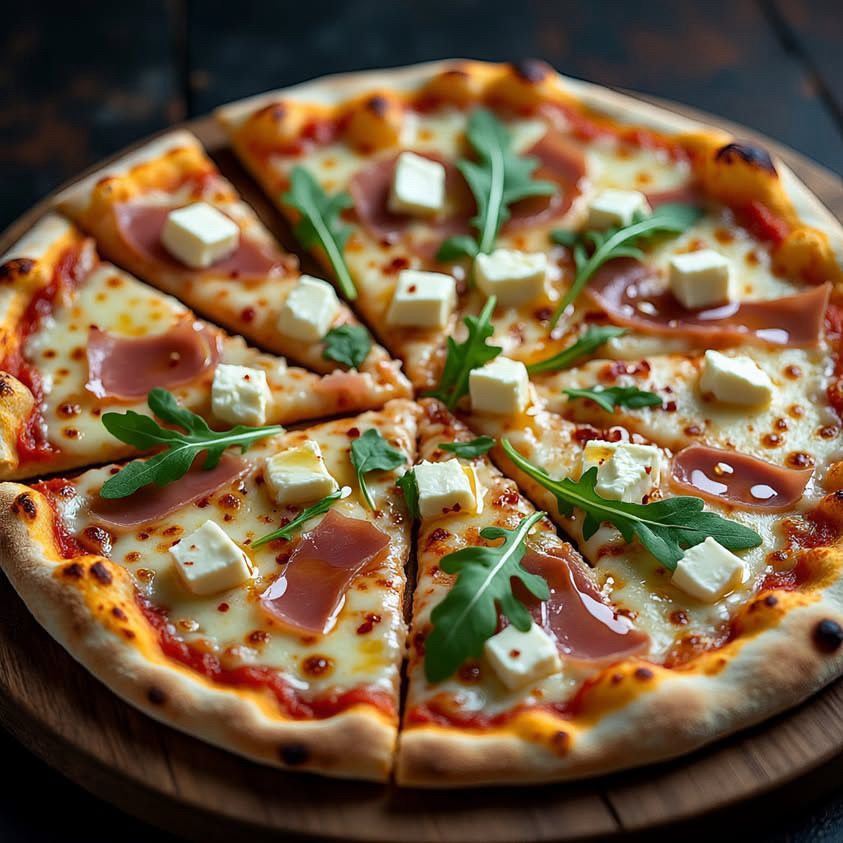
What I find fascinating about goat cheese as a pizza topping is how well it pairs with other ingredients. The tanginess cuts through richness, which makes it a natural partner for caramelized onions, roasted beets, and earthy mushrooms. I once made a pizza at home with goat cheese, thinly sliced pears, toasted walnuts, and a drizzle of honey, and I still think about it more often than I probably should. The sweetness of the pear, the bitterness of the walnut, the honey pulling everything together, and underneath all of it, the tang of the goat cheese holding its own against every other flavor on the pie. That is what a great cheese can do. It anchors the whole thing.
Goat cheese also works beautifully on white pizzas, which skip the tomato sauce entirely and lean on olive oil or a garlic cream base instead. If you are someone who has always felt like red sauce was non-negotiable, I understand, but white pizza with goat cheese is worth trying at least once. The absence of acidity from the tomato lets the cheese’s own tartness take center stage, and the result is something almost elegant. It is the kind of pizza that feels more like a composed dish than a quick weeknight meal, even if it only takes twenty minutes to put together.
At Pizzapedia, we tend to believe that pizza is a canvas, and the toppings you choose are where your personality as a cook really shows up. Goat cheese is one of those toppings that signals a certain willingness to experiment. It asks you to think a little differently about what pizza can be. That is not to say traditional mozzarella does not have its place, of course it does, and it always will. But there is something genuinely exciting about seeing what happens when you swap it out for something with a little more character.
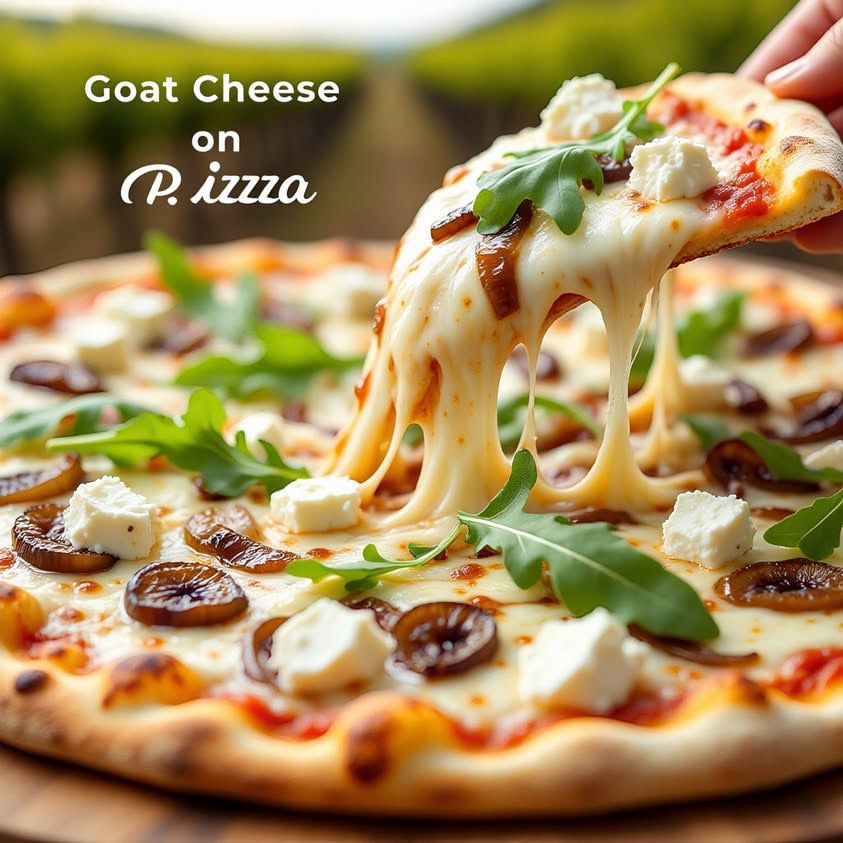
Making homemade goat cheese pizza is surprisingly straightforward. You can use a store-bought pizza dough or make your own, stretch it out, brush it with olive oil, and then scatter the goat cheese directly onto the surface before adding your other toppings. Because it does not need to melt the way mozzarella does, it actually gives you a little more flexibility with your oven temperature. A hot oven around 450 to 500 degrees Fahrenheit will still work beautifully and give you that crust texture that makes pizza so satisfying. The cheese will become warm and slightly golden at the edges, and when you pull it from the oven, it will smell extraordinary.
What keeps drawing me back to goat cheese pizza is the way it challenges the assumptions I used to have about what pizza is supposed to taste like. Cooking should do that sometimes. It should make you reconsider what you thought you knew, push you toward ingredients you might have passed over at the grocery store, and reward you with something that feels both surprising and completely right. Goat cheese on pizza is exactly that kind of discovery. Once you try it, you will find yourself reaching for it again and again, not because it is trendy or different, but because it is simply, genuinely good.
Reference
Haenlein, G. F. W. (2004). Goat milk in human nutrition. Small Ruminant Research, 51(2), 155–163. https://doi.org/10.1016/j.smallrumres.2003.08.010
Marete, A. G., Ariza-Nieto, C., Hernández-Ledesma, B., & Lacroix, M. (2021). Goat milk proteins: Their biological and functional properties. International Dairy Journal, 121, 105109. https://doi.org/10.1016/j.idairyj.2021.105109
Ribeiro, A. C., & Ribeiro, S. D. A. (2010). Specialty products made from goat milk. Small Ruminant Research, 89(2–3), 225–233. https://doi.org/10.1016/j.smallrumres.2009.12.048