
 Posted by
 I grew up on chain pizza. Friday nights in my house meant a flat cardboard box, a two-liter bottle of soda, and a cheese pull that stretched exactly as far as the commercials promised. And I loved every bite of it. Then one afternoon I walked into a tiny shop with a wood-fired oven, watched a man stretch dough by hand like he had been doing it since birth, and ate a pizza that tasted alive. I have not looked at a delivery app the same way since.
So what actually separates artisanal pizza from chain pizza? In my view, it comes down to a handful of things. Ingredients, process, heat, and purpose. None of them exist in isolation, and together they explain why I keep walking past the big chains to get to the small shop on the corner.
Ingredients come first, and they matter more than most people want to admit. Chains need consistency across thousands of locations, which means standardized dough, pre-shredded cheese, and sauces built for a long shelf life. Artisanal shops tend to use fewer, fresher ingredients. Dough fermented for a day or two. Good tomatoes. Fresh mozzarella. Basil that was literally growing last week. Fermentation is the part people overlook, honestly.
A slow rise develops flavor and creates that chewy, blistered crust, and a rushed dough simply cannot imitate it. Trust me, I have tried to rush dough at home. It does not work. Wondering whether artisanal pizza is worth the extra cost? Here is what really separates a small-shop pie from a chain pizza, from fermentation to wood-fired heat.
The process comes next. A chain pizza is engineered like a product on an assembly line. The sociologist George Ritzer called this pattern McDonaldization, where efficiency, predictability, and control replace craft. Pizza fits that model almost too easily. An artisanal pizzaiolo, by contrast, reads the dough, the humidity, and the oven every single day. The result changes slightly each time, and I consider that a feature rather than a flaw. The craft is taken seriously enough that UNESCO added the art of the Neapolitan to its list of intangible cultural heritage in 2017. That is not just marketing. That is centuries of technique being protected.
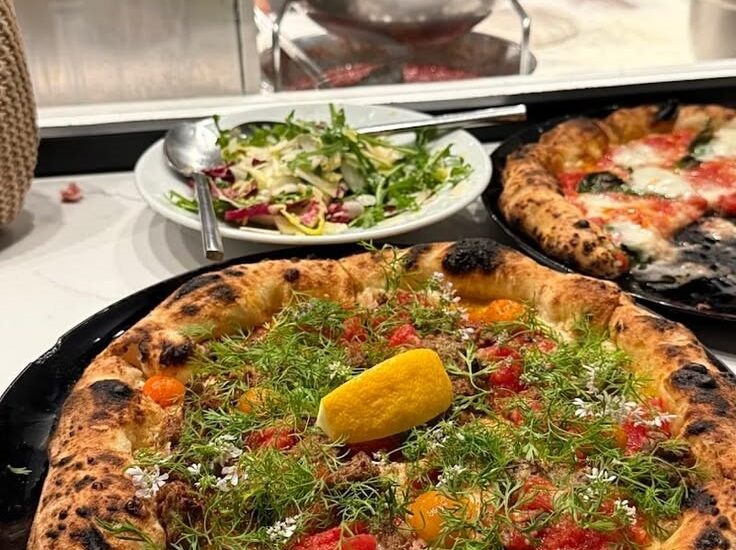
Consider the oven too. A traditional wood-fired oven can reach roughly 430 to 485 degrees Celsius, baking a Neapolitan pizza in about ninety seconds. Conveyor ovens at chains run cooler and slower, which bakes the crust evenly but rarely produces that leopard-spotted char. I still remember the first time I saw those spots on a crust. I thought something had gone wrong. Now I look for them. Heat shapes flavor as much as any ingredient does, and once you taste that difference, it is hard to go back.
Purpose is the part people overlook, and I include myself in that. When I buy from a local shop, my money tends to stay in my community, supporting a family and a handful of neighbors who work there. Is that a small thing? Perhaps. Yet small choices, repeated by thousands of people, shape what a neighborhood looks like. I think about this every time I hand over my card at the counter and the owner nods at me like he actually knows my face. Because he does.
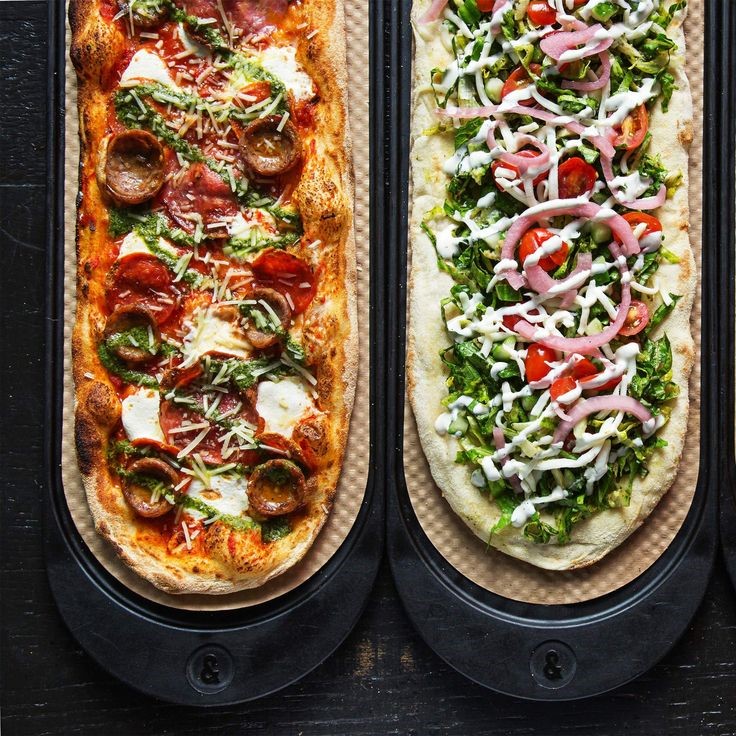
I do need to be fair here. Chains offer speed, low prices, and reliability, and those things matter to a family on a tight budget or a student at midnight. Artisanal pizza usually costs more, and the wait can be longer. I would never shame anyone for ordering a chain pie on a busy Tuesday. I have done it myself, more than once.
Still, my position is clear. If you have the means and a good local shop nearby, choose artisanal most of the time. The flavor is better, the craft is real, and the money does more good. Treat chain pizza as a convenience, not a default. That is the whole argument, really.
Here is a small experiment for your next hungry evening. Order from a local pizzeria and pay attention to the crust first. Notice the char, the chew, and the aroma of fermented dough. Then compare it with the last chain pizza you ate. I suspect you will taste the difference immediately, and I would love to hear what you think.
I will leave you with one last thought. According to the BBC, the Associazione Verace Pizza Napoletana still certifies pizzerias around the world to protect the traditional method, which tells me that this is not just about dinner. It is about keeping something real alive.
References
UNESCO (2017). Art of Neapolitan “Pizzaiuolo”: https://ich.unesco.org/en/RL/art-of-neapolitan-pizzaiuolo-00722?RL=00722
Falciano, A., Masi, P., & Moresi, M. (2024). Unlocking the secrets of Neapolitan pizza: A concise review of wood-fired, electric, and gas pizza ovens. Journal of Food Science: https://doi.org/10.1111/1750-3841.17417
European Commission. “Pizza Napoletana” Traditional Specialty Guaranteed specification (Regulation 97/2010), as hosted on legislation.gov.uk: https://legislation.gov.uk/eur/2010/97/annexes/data.xht