
 Posted by
 I will say it plainly: anchovies belong on pizza. The people who recoil at the sight of them, the ones who shout “Hold the anchovies!” Before the pie is even fully ordered, we are missing one of the great flavor tricks in Italian cooking. I understand the reflex. Honestly, I do. Anchovies carry a reputation as the fish that ruins a perfectly good slice, that salty and pungent force that supposedly offends a palate raised on pepperoni and sausage. But here is the thing.
That reputation is completely undeserved. I am tired of watching a genuinely excellent ingredient get voted off the table by people who have never tasted it prepared well. I used to be one of those skeptics, and I can tell you from experience that the transformation from hater to lover is a glorious one. Let’s talk about those salty little fish. If you are still debating the merits of anchovies on pizza, I am here to tell you that you are missing out on the single greatest flavor hack in Italian cooking.
The case against anchovies usually comes down to two things: smell and salt. Fair enough, on the surface. I cannot deny that a can of cheap, oversalted anchovies packed in low-grade oil tastes like a mistake. It smells like a mistake. But that is a sourcing problem, not an ingredient problem. High-quality anchovies, the kind cured slowly and packed in good olive oil, are a different beast entirely.
They do not taste “fishy” in the way people fear. They taste savory, in the way parmesan or cured olives taste savory. Have you ever wondered why a simple tomato sauce tastes so much richer when a chef makes it? The secret is often those little fillets. The anchovies dissolve into the sauce, seasoning the whole pie instead of sitting on top like a garnish.
Food scientists have studied this effect, and I find it fascinating. Anchovies are loaded with glutamates, the same compounds responsible for umami in tomatoes, mushrooms, and aged cheese. It is a flavor bomb waiting to go off. When anchovies hit high heat, they essentially melt into the pie. The saltiness enhances the sweetness of the tomatoes, and the umami deepens the whole experience.
That is why a pizza or a proper puttanesca-style pie tastes rounder and deeper with anchovies than without. It is not about adding fish; it is about adding depth. For anyone looking to dive deeper into the nutritional side, I should mention that these little fish are packed with healthy omega-3s and essential minerals, but for me, the flavor is the real draw.
There is also a historical argument here that deserves attention, and it often surprises people who think of anchovies as a weird novelty. Anchovies have been a foundational Mediterranean seasoning for centuries, long before pizza existed in its modern form. It is a tradition that stretches all the way back to the ancient Romans, who used fermented fish sauces to add depth to their dishes, functioning much like soy sauce does in East Asian cooking today.
Pizza traditions in Naples and along the Ligurian coast have used anchovies as a core topping, not a novelty . Treating anchovies as some kind of fringe, adventurous choice ignores how central they have been to the cuisine pizza came from in the first place. The first pizza marinara was simply tomatoes and anchovies. It was peasant food, reliant on cheap, preserved ingredients.
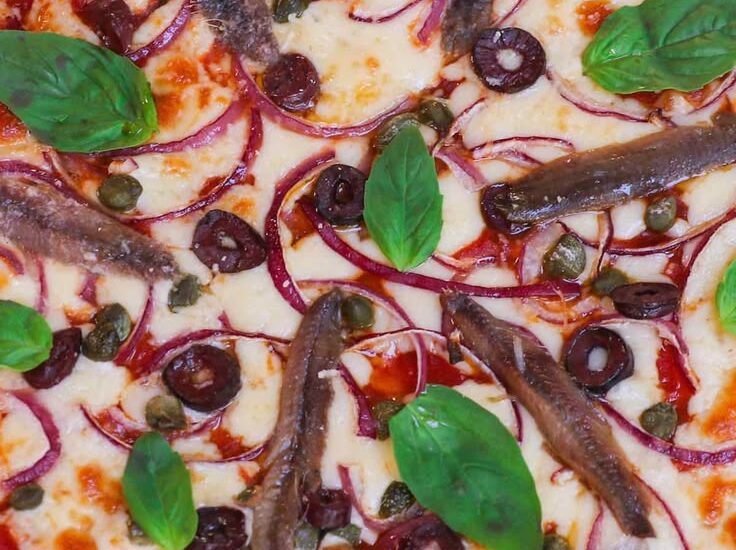
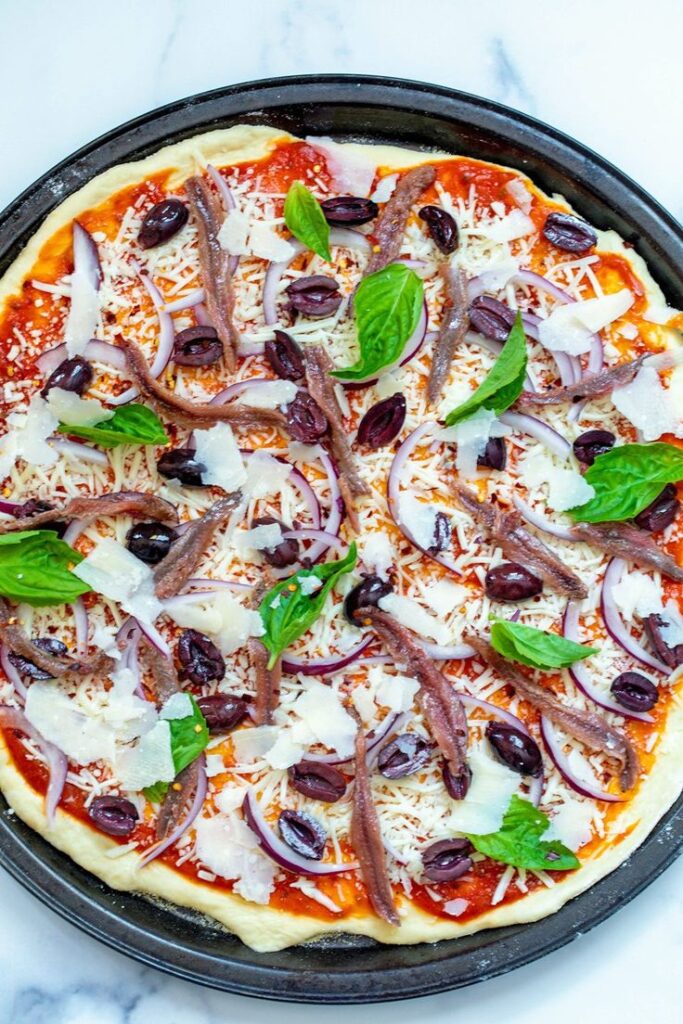
None of this means every pizza needs anchovies. I would not force the issue onto a dessert-style pizza or anything built around sweetness. That would be madness. But when someone tells me anchovies ruin pizza, I hear someone who has only had bad anchovies, poorly proportioned, dumped onto a pie without balance. Used with restraint, alongside capers, olives, or a simple oregano and garlic base, they elevate a pizza rather than overwhelm it.
Think of them as a seasoning rather than a topping. Just a few fillets, tucked under the cheese or broken up over the sauce, are all you need.
If you have written off anchovies because of a bad experience years ago, I encourage you to try again. Find a better product and use a lighter hand. Food preferences deserve reconsideration now and then, especially when the original verdict was based on a flawed sample.
I have had great success with top-quality brands packed in salt rather than cheap oil, which offer a cleaner flavor profile . I stand firmly on the side of anchovies, and I think most skeptics would come around if they gave a quality version a fair shot. Is it time to give the little fish a second chance?
References
United States Department of Agriculture, FoodData Central, nutrient profile for anchovies: https://fdc.nal.usda.gov
Food and Agriculture Organization of the United
Nations, report on Mediterranean fisheries and anchovy production:
National Institutes of Health, National Library of Medicine, research on glutamate and umami taste perception: